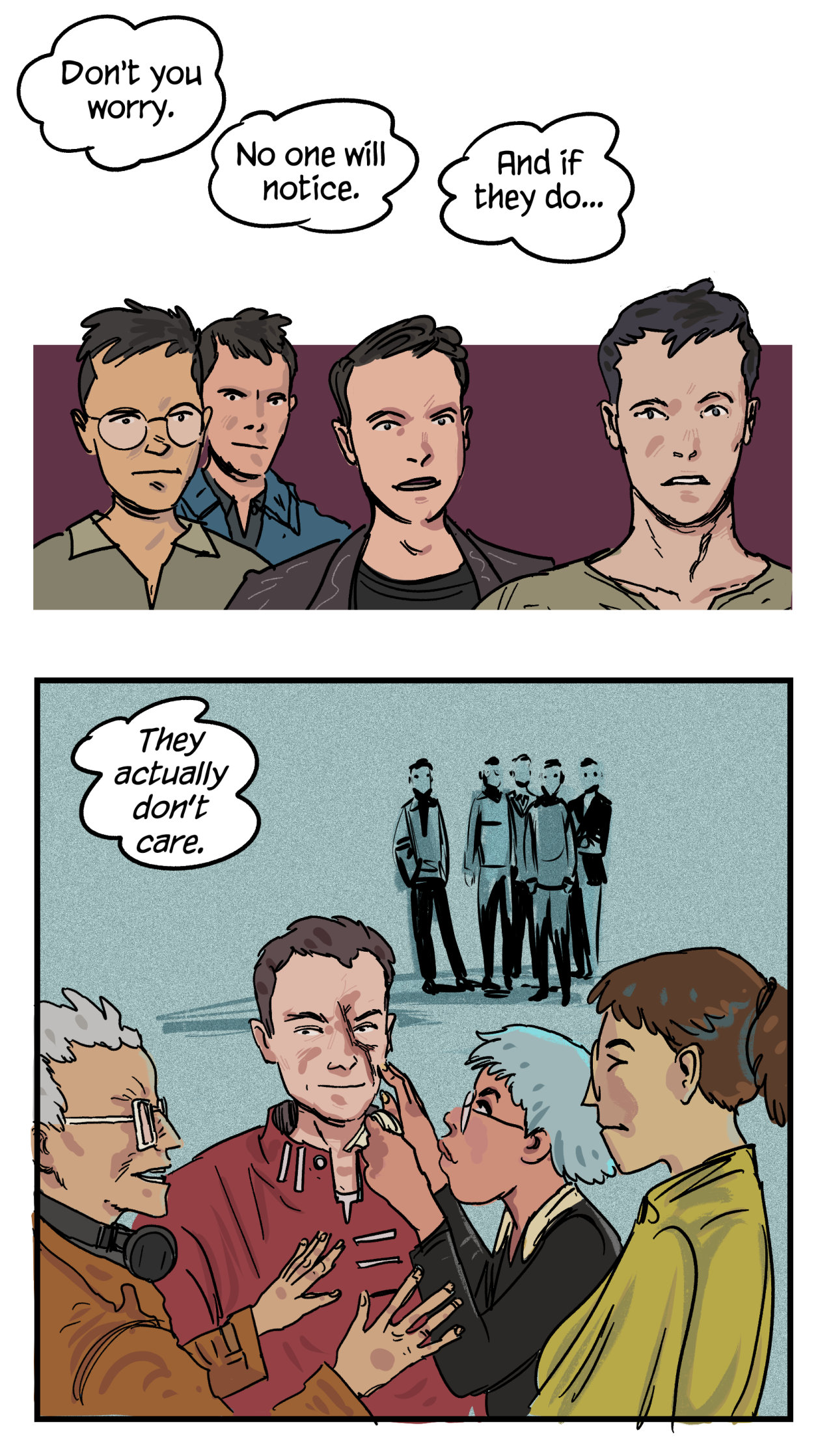
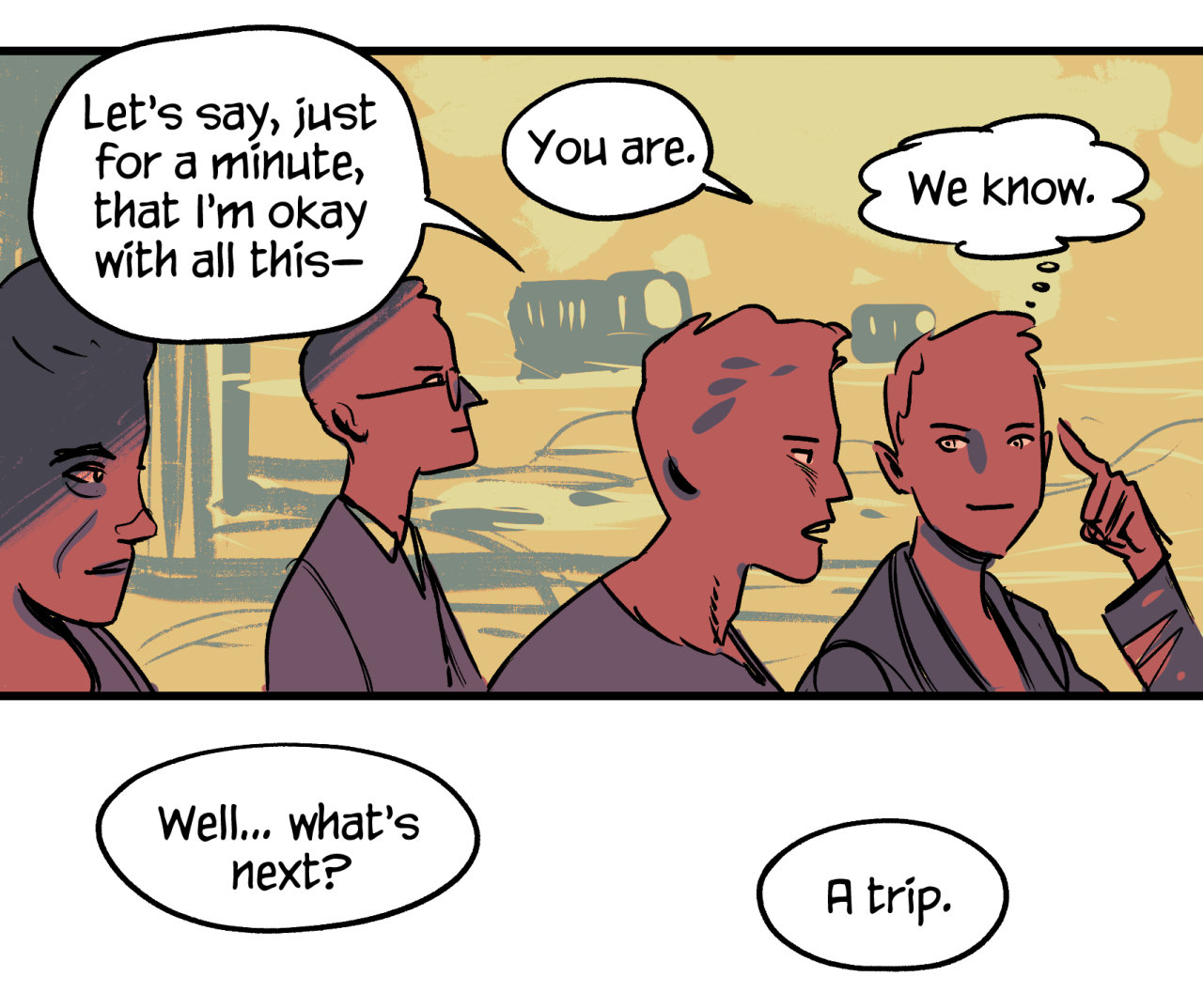
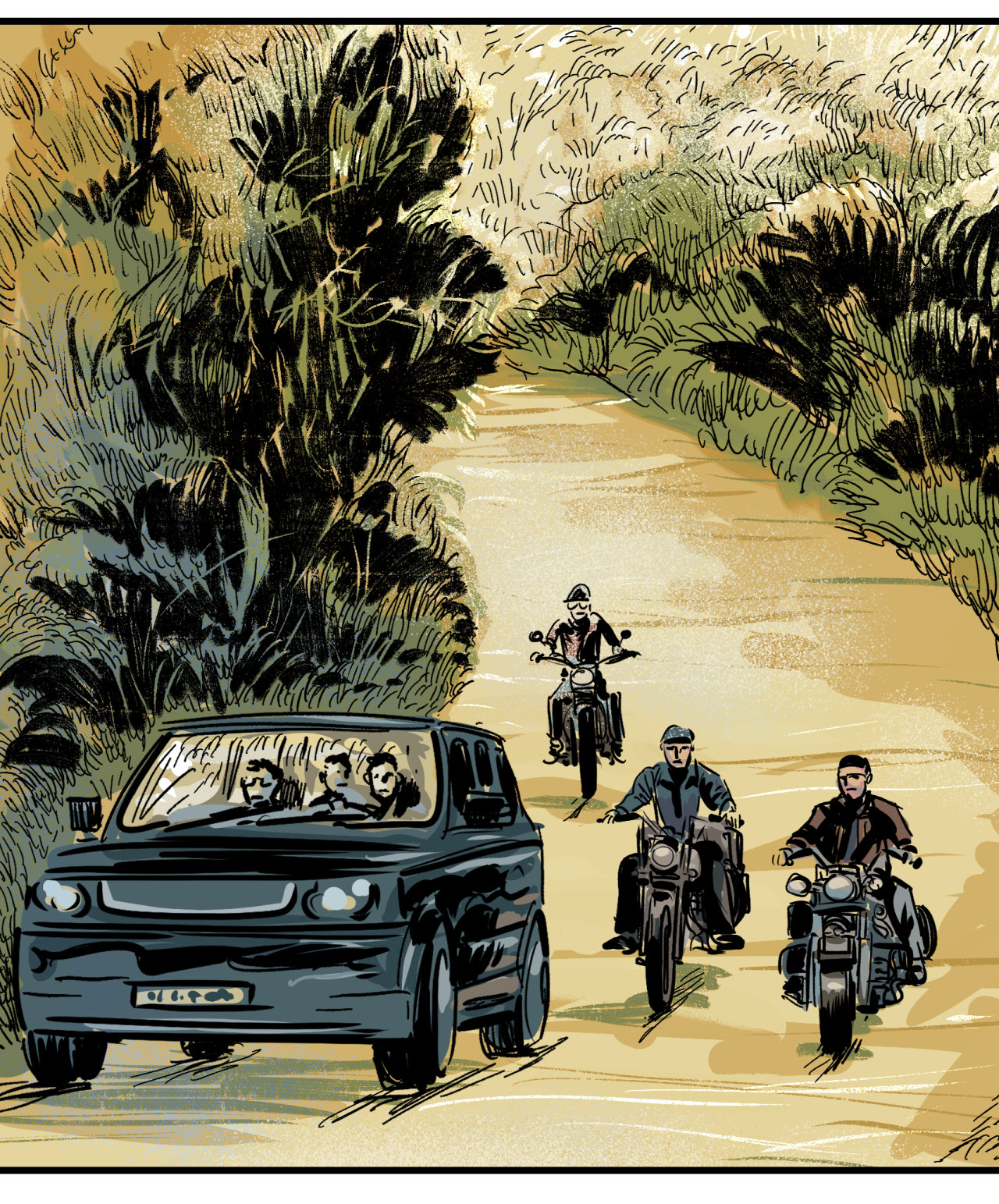
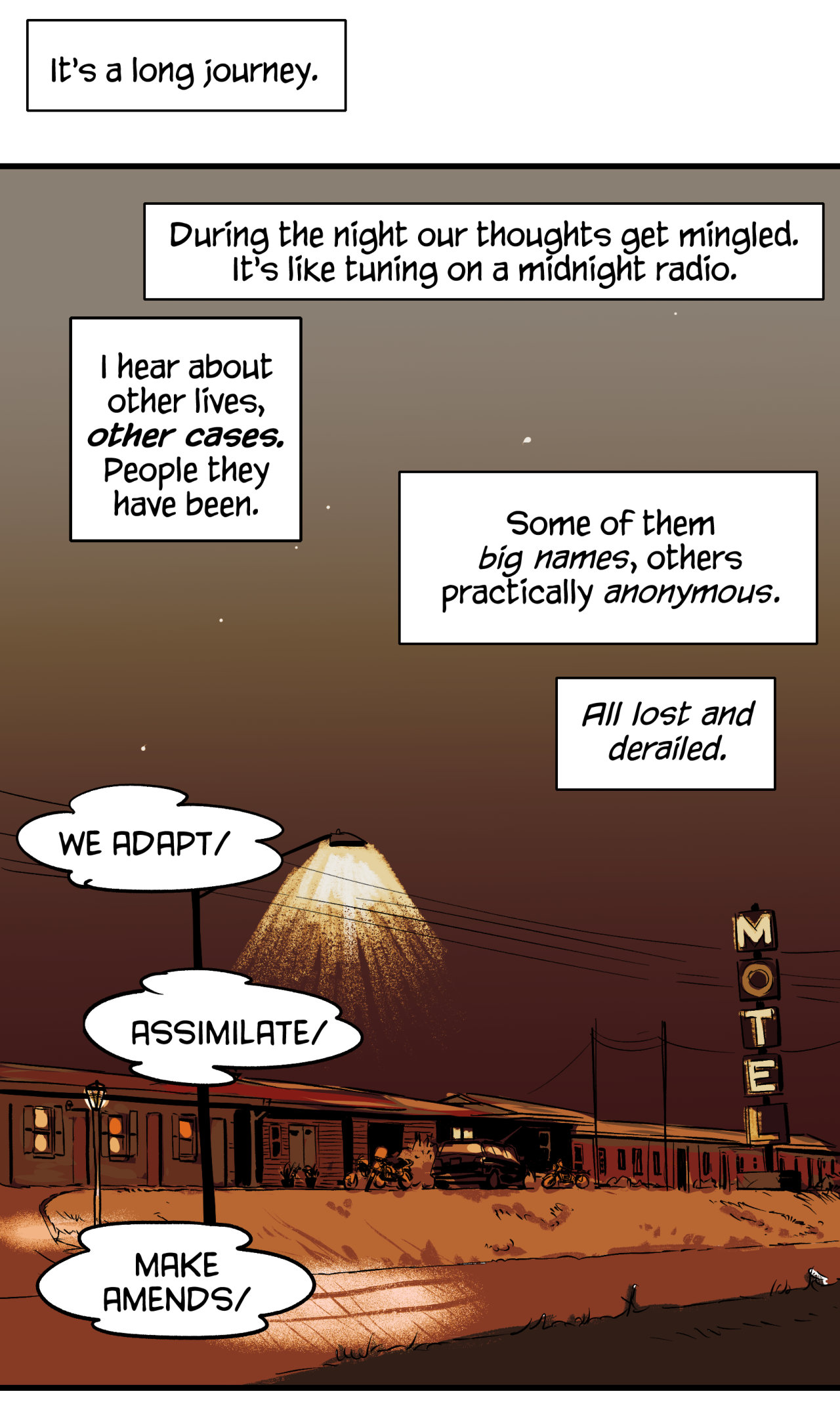
For every new Secret Knots comic, I make a Patreon post with sources, references and bits of world building. This is the dossier for the comic The Real Capello.
Inspiration
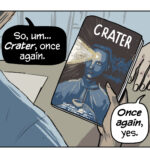
I don’t know why I ended up in the Wikipedia page titled “Shakespeare authorship question”. Maybe I already had a vague idea of doing something else with Capelo and the Macbeth connections in that story. Perhaps I was trying to put some context to what has always seemed to me an obsessive interest in authors’ minutia, from what’s probably the stellar example of this phenomenon. The thing is that I got immersed into this story of coded keys and grave digging, which led me to make a companion comic on the quest of poor Delia Bacon, and I thought I had material for a parody, using the bard of the made-up play “The Duke in Shadows”, the Portuguese João-Maria Capelo.
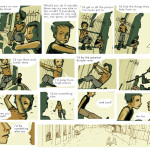
 First panel of the Duke in Shadows comic
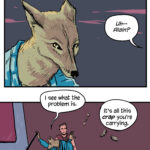
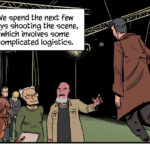
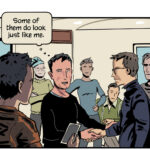
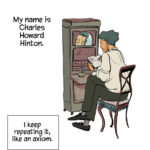
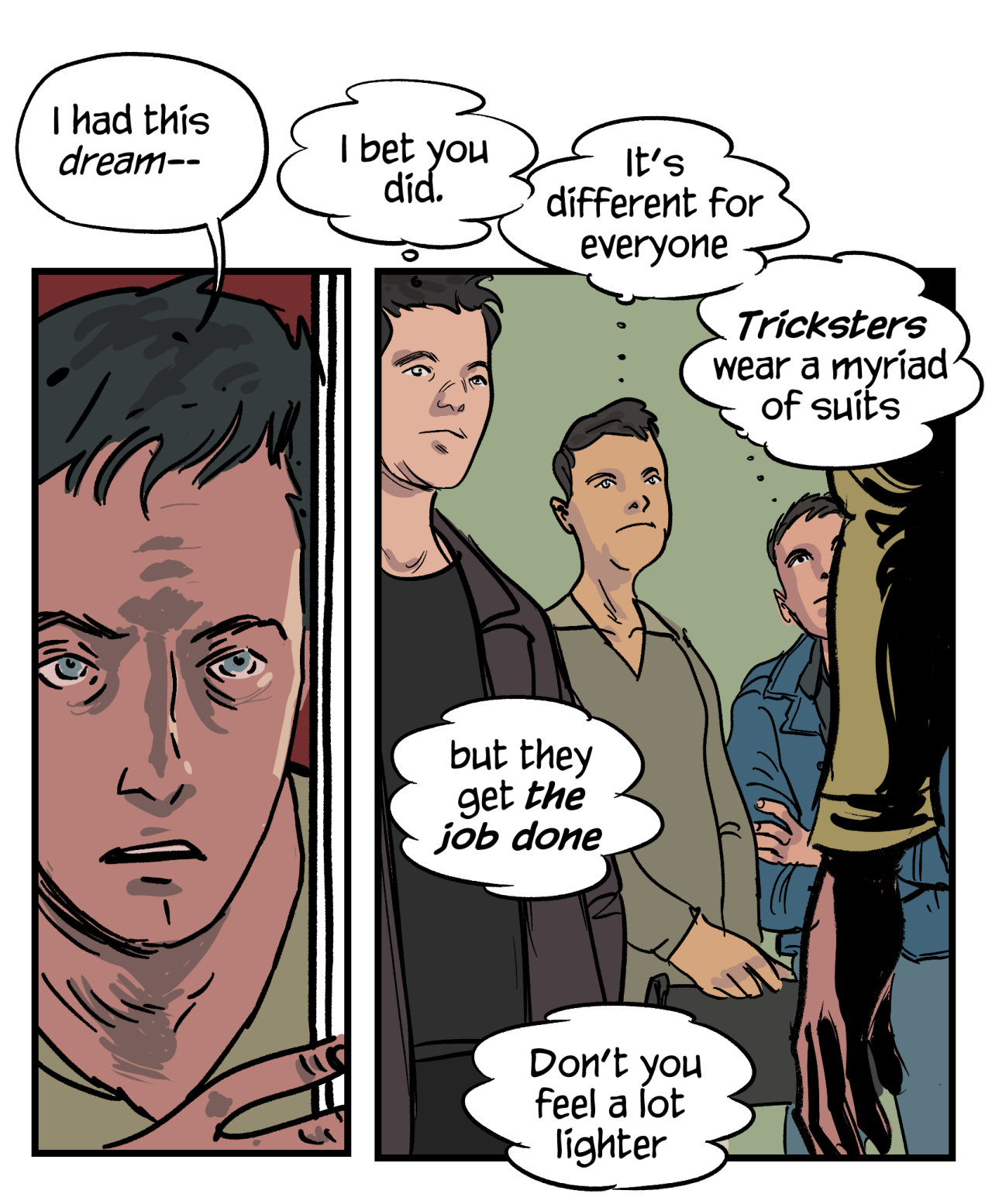
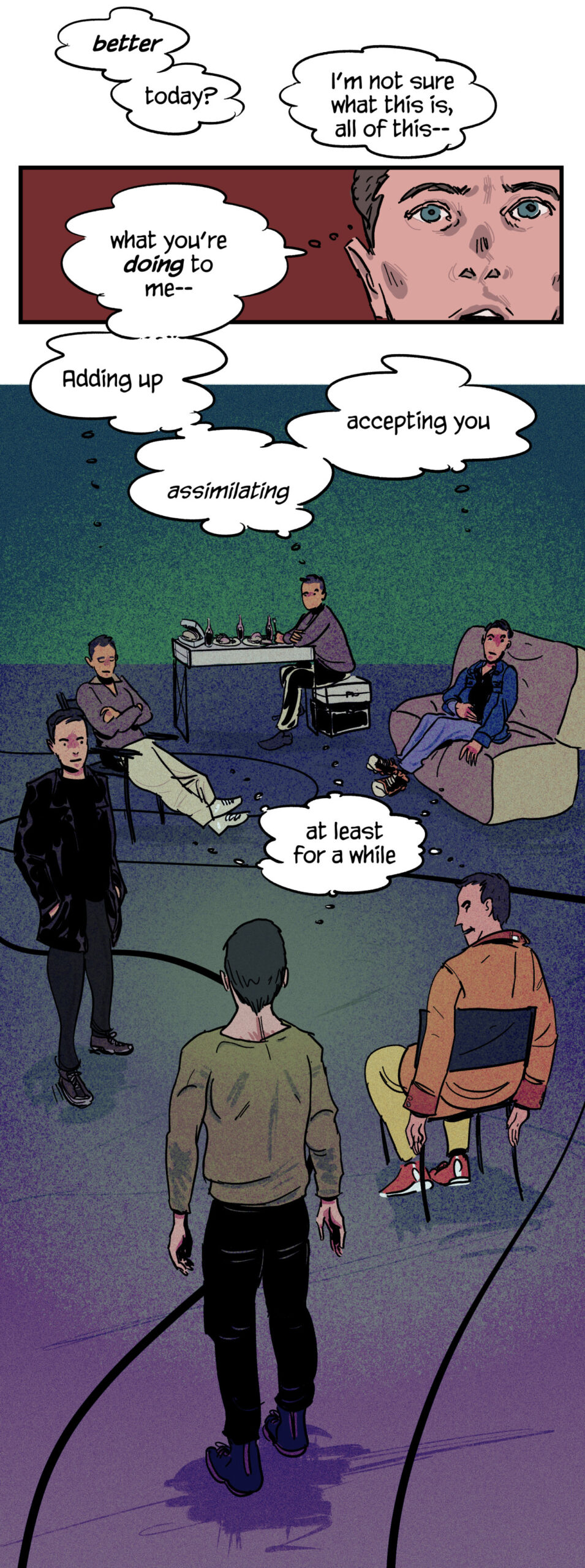
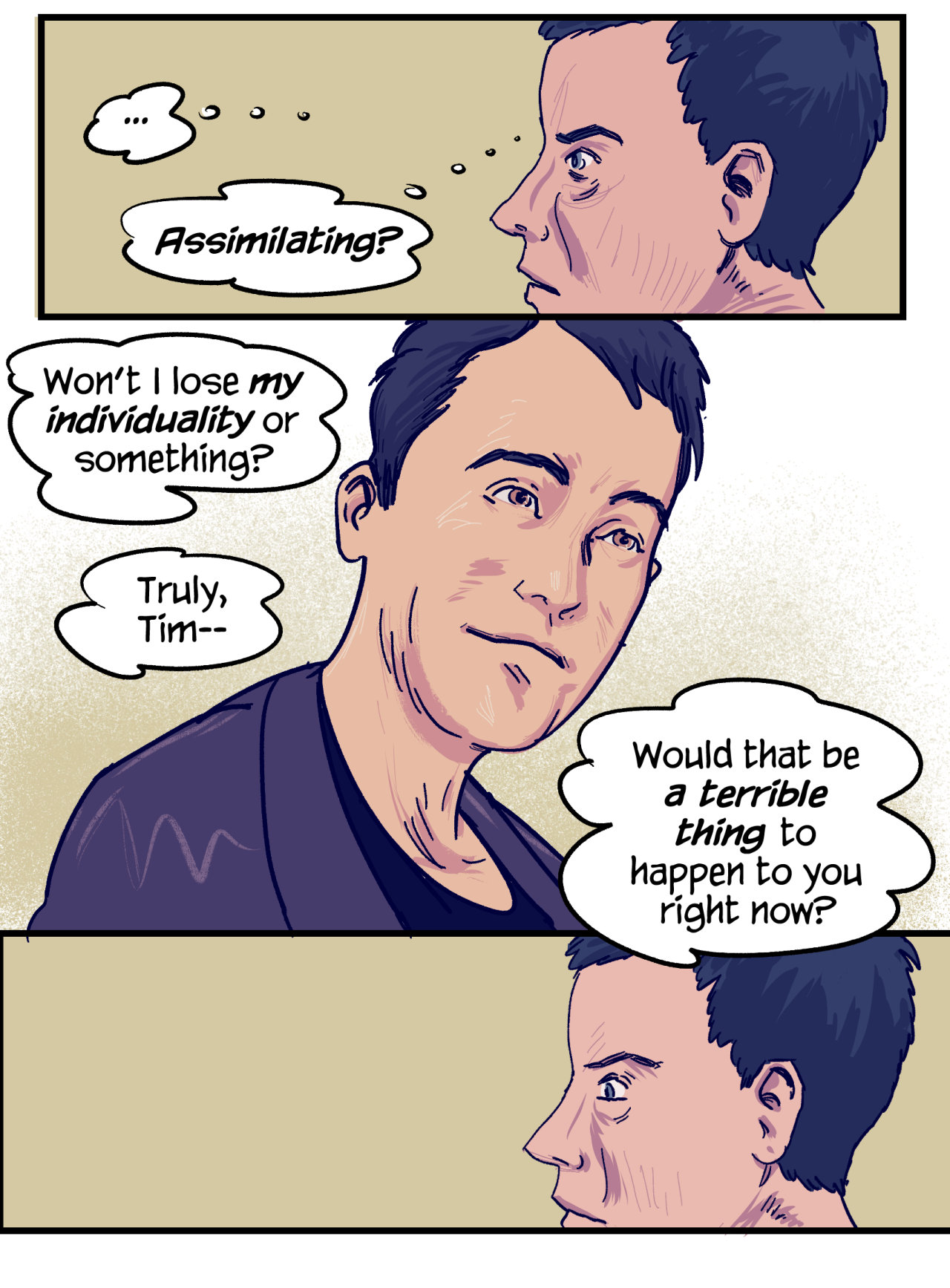
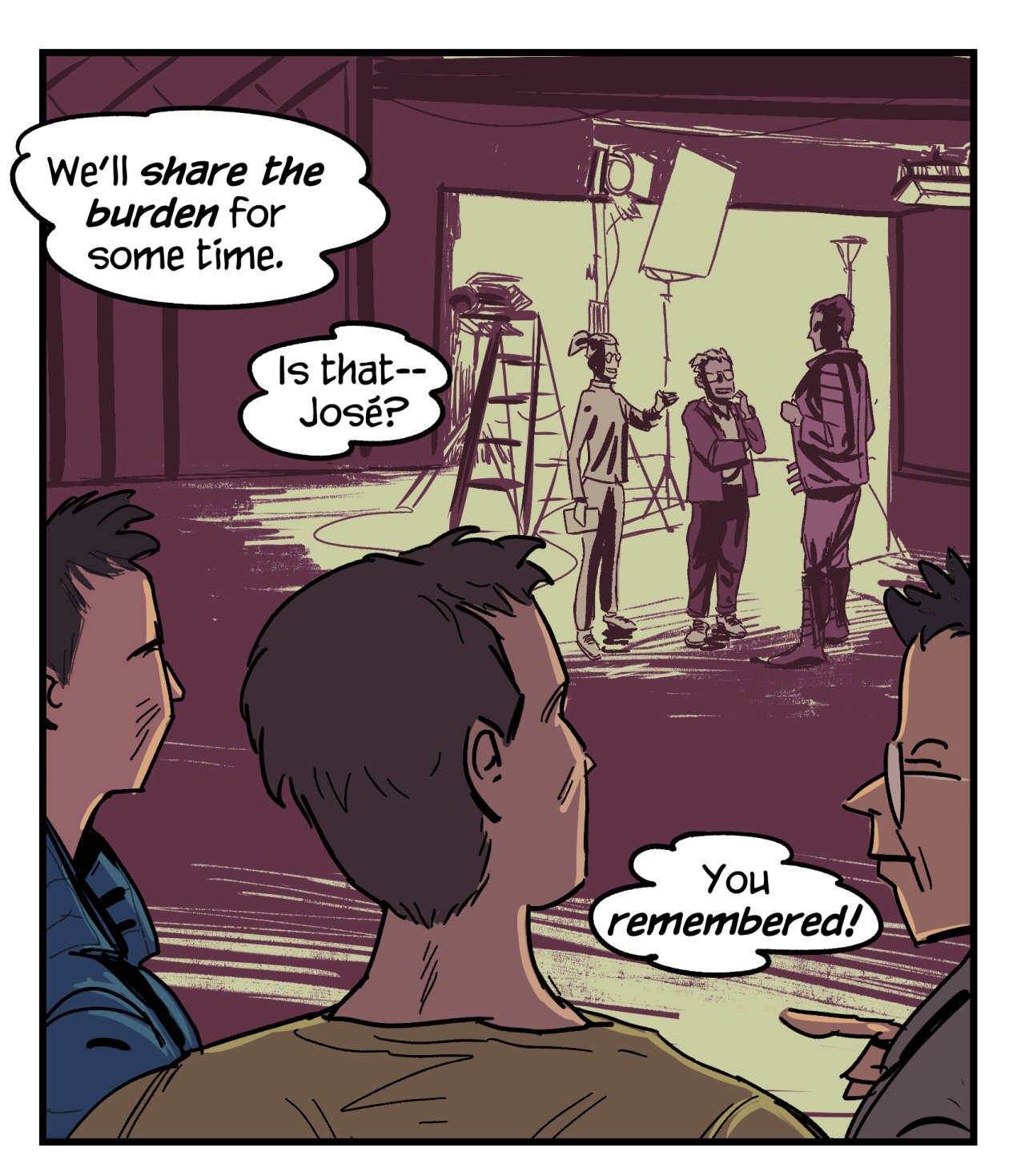
The Real Capello story is told in a cycle where someone proposes a strange theory, and somebody else follows up with, “well, that could be, but that’s not the whole truth. The true secret is this even wackier take”.
 Every explanation take us further away from the simplest reasoning: that someone imagined these works of art, in their head. Which reminds me of this comic by webcomic name, where he tackles another common presumption behind pieces that strike us as strange, or a little too original: drugs.
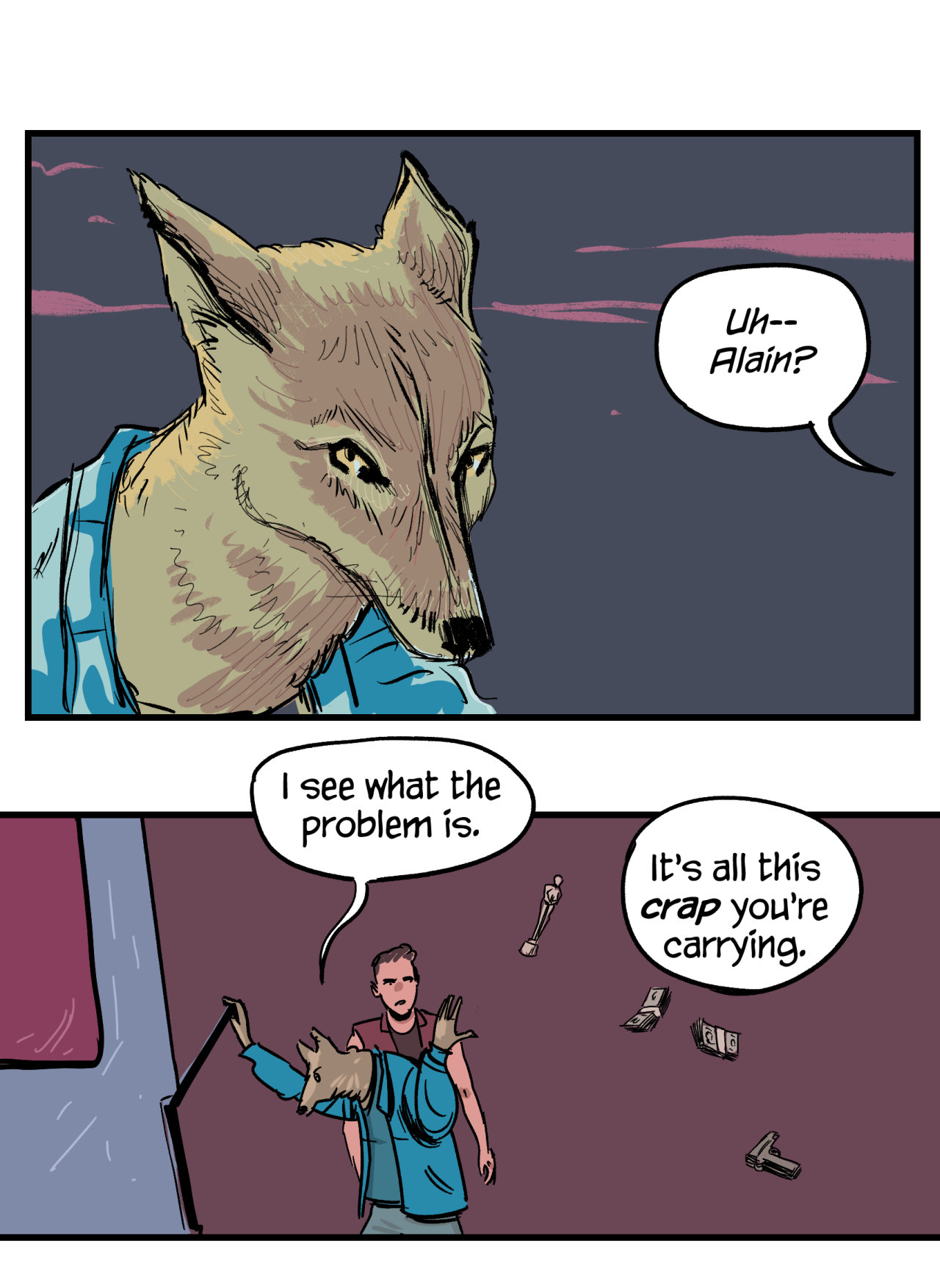
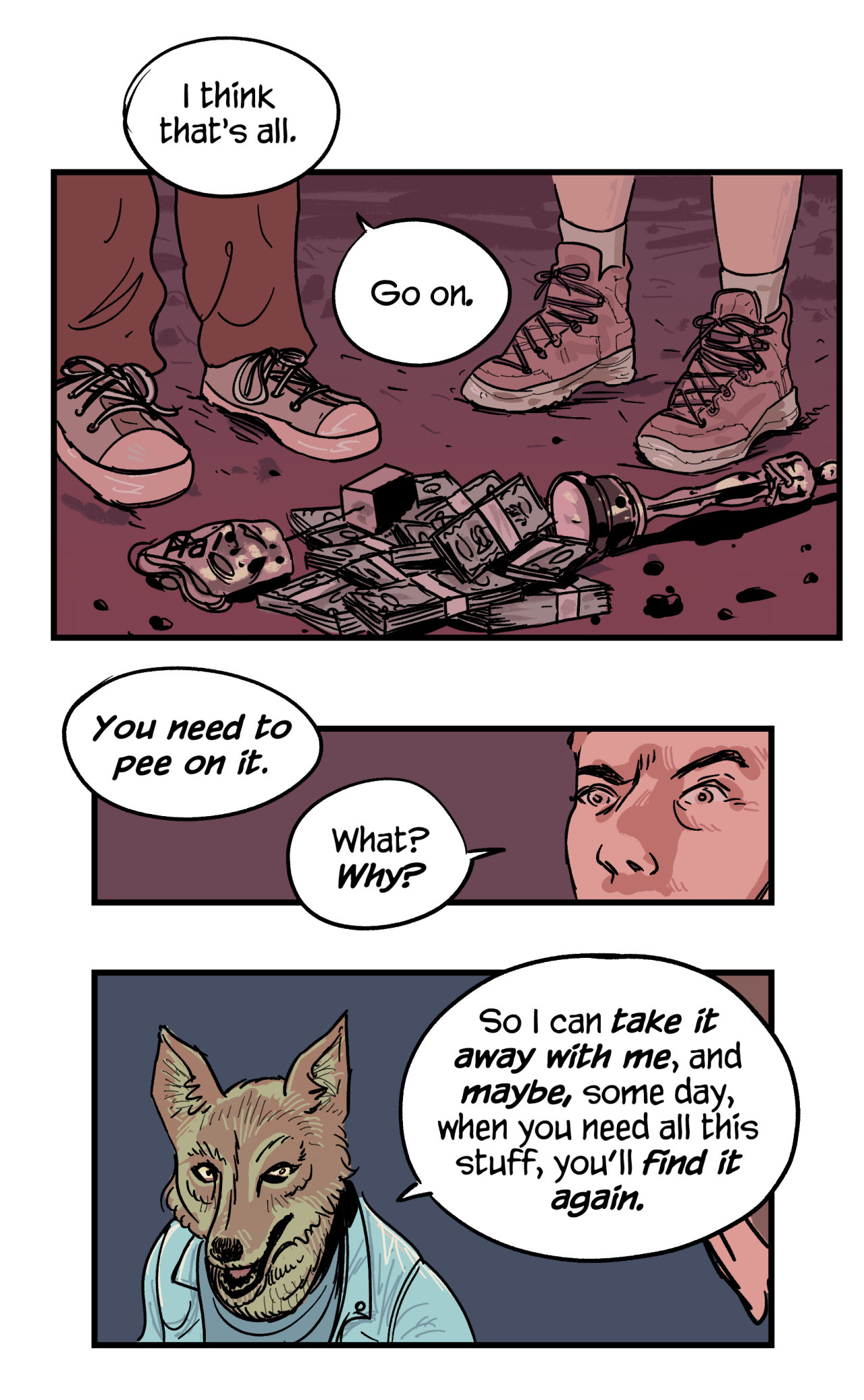
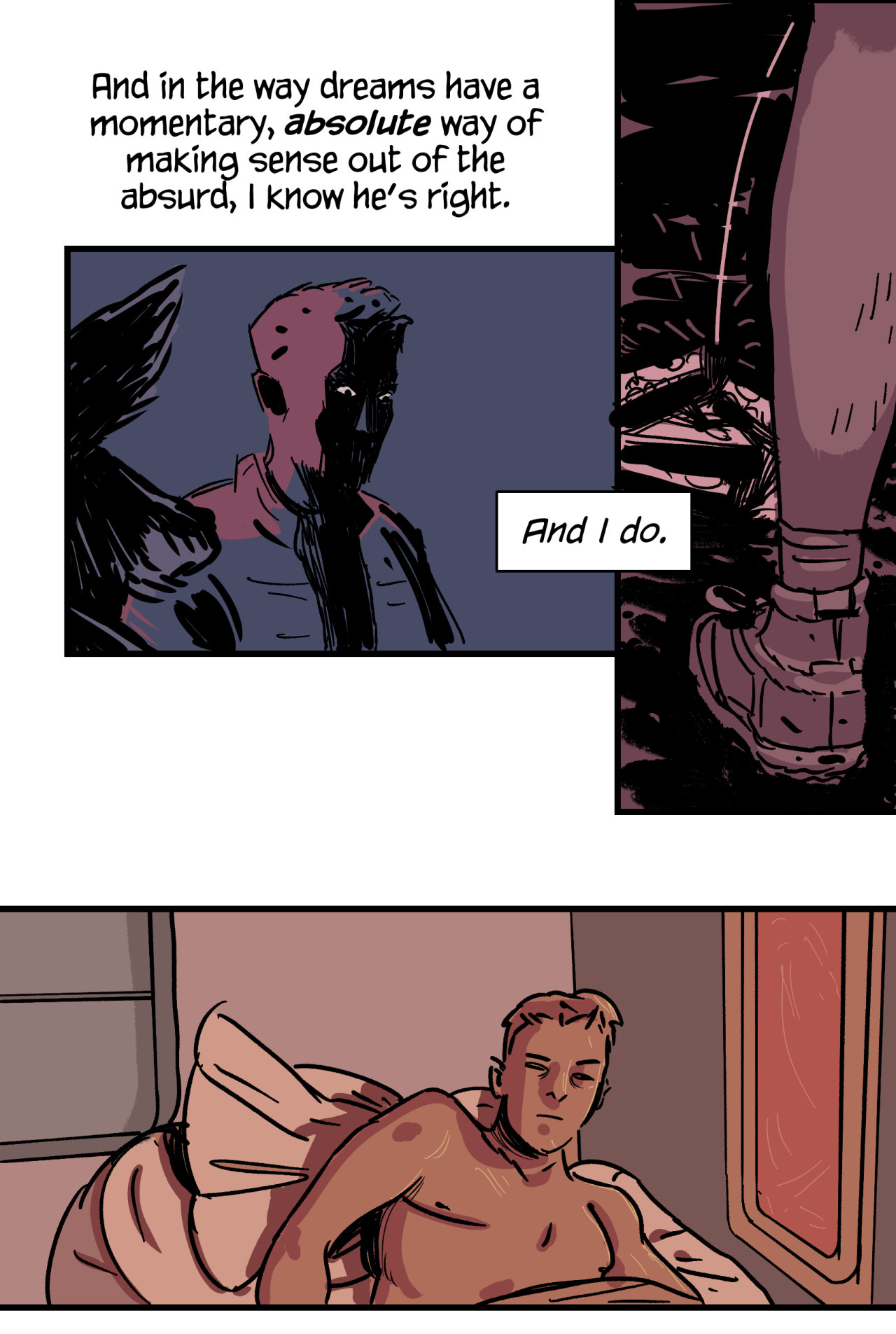
 The act of creation IS weird. Only not in the, “aliens made the pyramids” way. It’s a strange dynamic in the sense that you might not know where the first paragraph or brush stroke will end up taking you. Unexpected things happen in the way, that alter the plans, the previous sketch, or the specific needs of a story. Writers sometimes say, “you write to find out what happens next”, and I’ve found this to be true. Once in the stage of placing word after word, the initial idea interacts with unexpected things: memories, half-remembered facts, the pace at which a friend speaks, research, a silly song from an old TV ad. This clash of things may produce new scenes, or even new themes, that go beyond starting expectations. It’s also true that the author may intentionally go to their own background, searching for a specific feeling. But even in that case, biographies don’t explain by themselves the final result. There are other processes at work, that may make for less satisfactory origin stories, but are at once more mysterious and plain than the usual theories. A brain is hard to prompt. Creation is weird. And imagination is pretty surprising.
 And yet, I didn’t want the comic to end with a sermon. So I put the moral of the story in the mouth of the automaton, and made a joke about myself as part of a sort of meta-conspiracy, because my own comics often feature falsehoods told as truths.
(Which, on Tumblr, always gets my comics hashtagged as unreality, just in case I guess)
References
I based the overall character or looks of the theorists on historical figures.
“Penelope Stanley” was my Delia Bacon. Her appearance, though, is based on french poet Brémonde de Tarascon.
 The Count of Ourem was inspired by the earl of Oxford, a favorite among Shakespeare’s truthers. His look is based on John (João) IV, a Portuguese king.
 Horace Buckhurst is based on Orville Ward Owen, inventor of the “Cipher Wheel”.
 The look of Amelia Marlowe is based on inventor and actress Hedy Lamarr.
 For Manners, I had in mind a sci-fi writer from the 60s Californian scene. The K. in the name comes from Phillip K. Dick. His appearance is based on author Terence McKenna.
 Every surname of these characters come from one of the many candidates of Shakespeare’s authorship controversy: William Stanley, the Earl of Oxford Edward de Vere, Christopher Marlowe, Roger Manners, Walter Raleigh and Francis Bacon.
In the case of Capello, I had written his name originally as João-Maria Capelo, and I made a mistake in this new appearance. So in the end, I decided that the spelling of the name mysteriously changes through time, just like Shakespeare’s. Capelo’s portrait is based on the Stratford-upon-Avon Shakespeare’s monument and the “Chandos portrait”. Another reference was Portuguese poet Francisco de Melo (left).
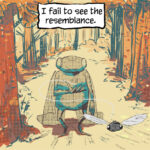
 Tut was a spontaneous design, more akin to the Metropolis android than actual clock automata. For reference, here’s what “the Turk”, a famous fake chess player automaton from the 18th Century, should have looked like.
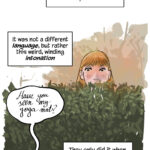
 For the comic about Delia Bacon, I appreciated the chance to take a virtual tour of the Stratford-upon-Avon church where Shakespeare’s grave is, that’s available on their website.
Headcanon
Things that were considered, could be happening, or are definitely happening, in the background of the story
It’s believed that the alchemist Flanellus wrote, through Tut, through the secret coven of authors, most of Capello’s plays; a further layer to this conspiracy is that he also wrote The Tempest. Proof of this is that he inserted Tut as Caliban, and himself as the wizard Prospero.
Sci-fi writer Robert K. Manners made up most of the past references to the plays. That’s why so little is known about Capello and his critics. He also influenced his friend Ron L. Hubbard with some curious ideas, that Hubbard would plagiarize first as fiction, and later as the basis of Scientology.
*****
I hope you liked these notes, and the look behind what’s already a convoluted story of hidden agendas. I’ve seen some nice reactions to this story and the Shakespeare connection, so I hope I wasn’t that off the mark. And if it’s all too strange, I can always blame Tut.
Many thanks for your kind support and feedback during the making of this comic, and I’ll see you soon with more stories and art.
Juan