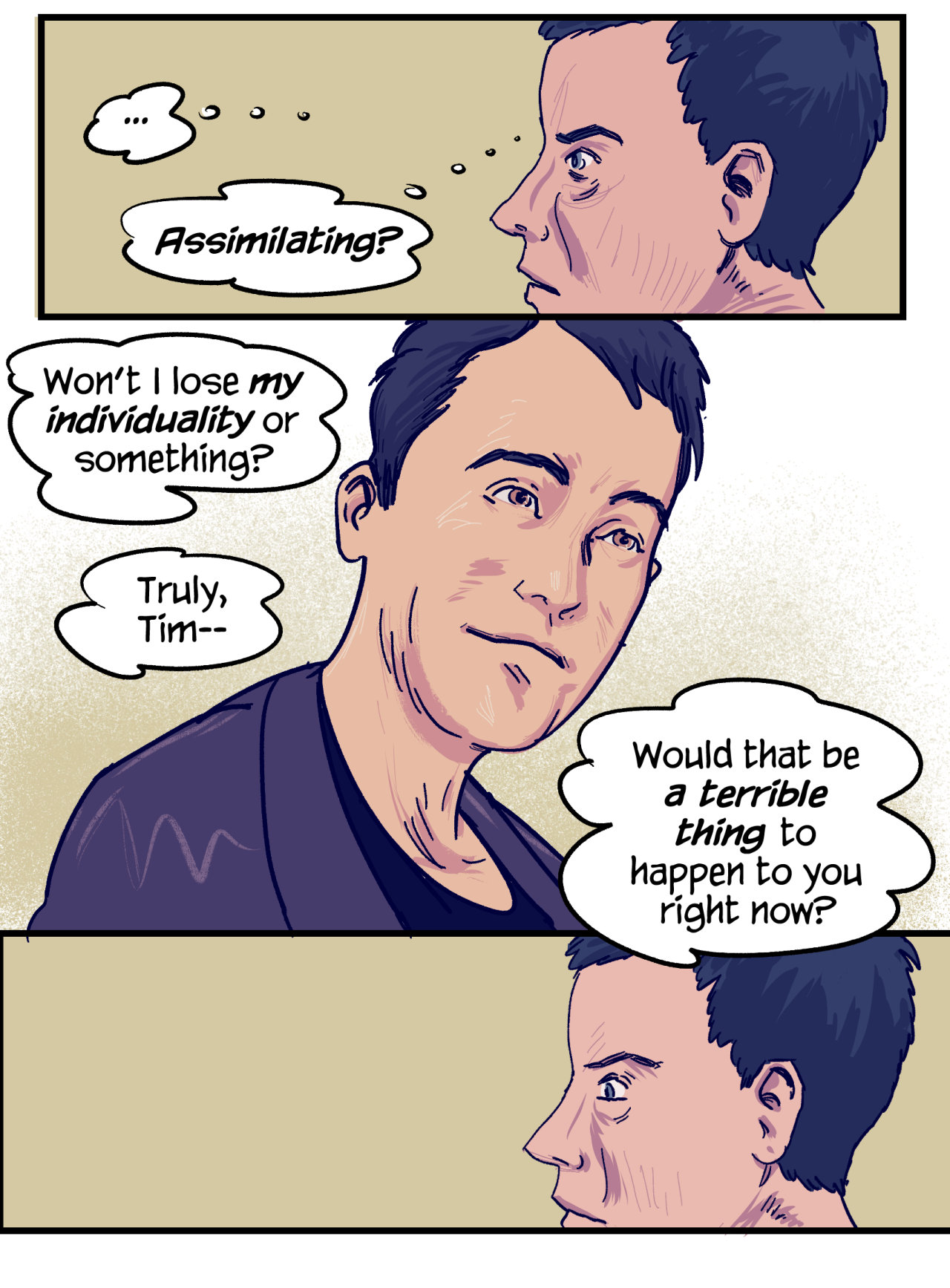
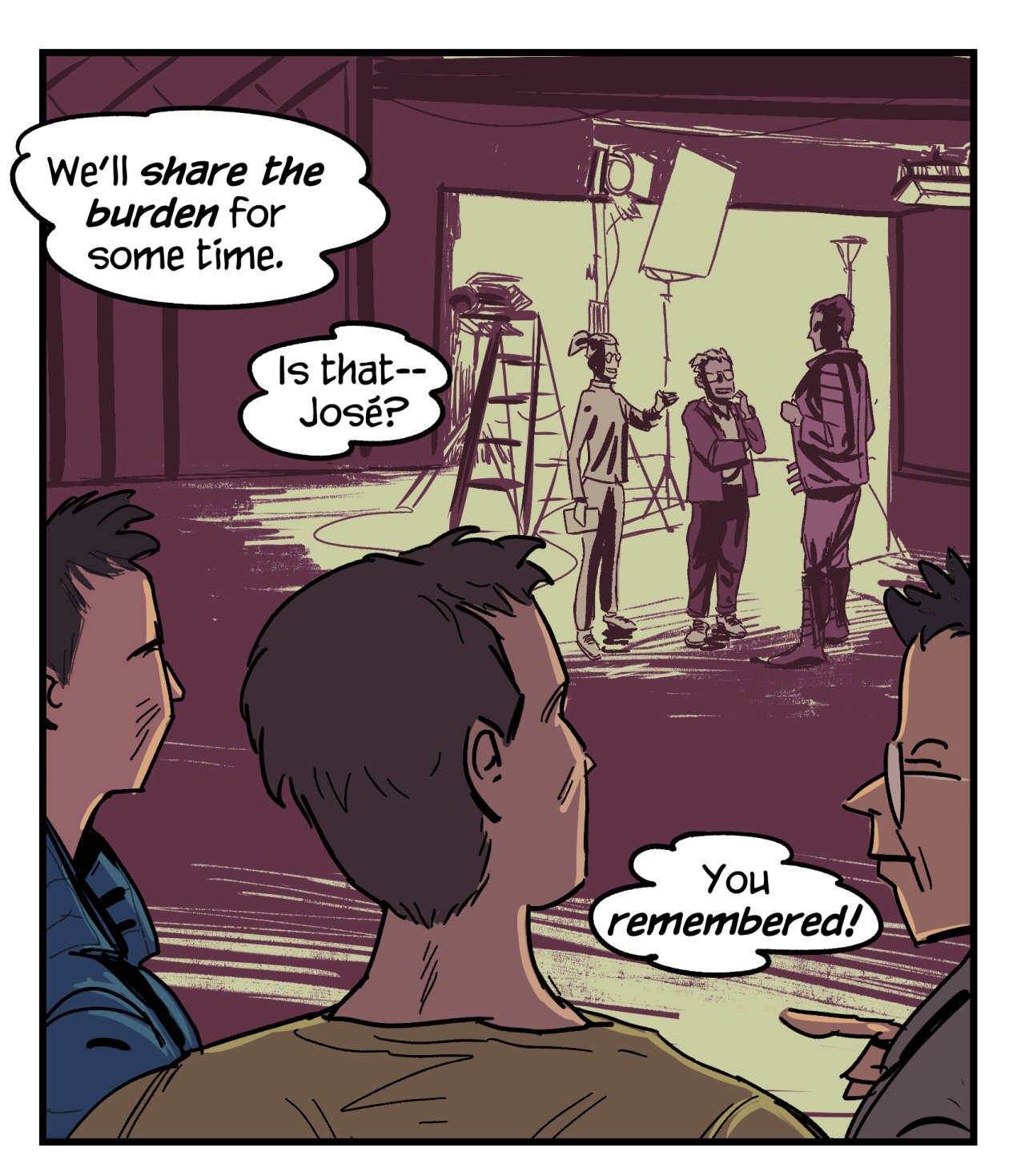
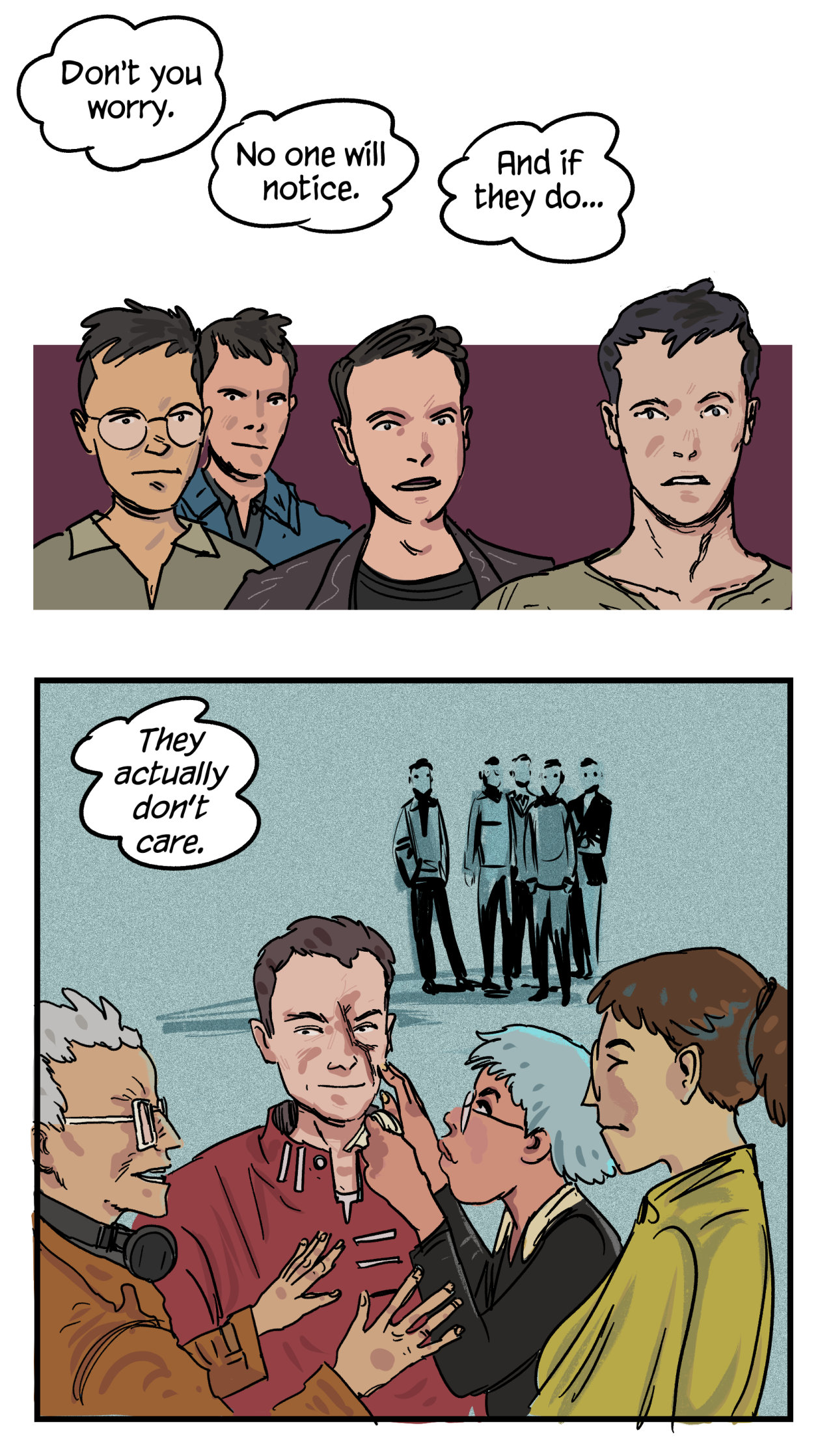
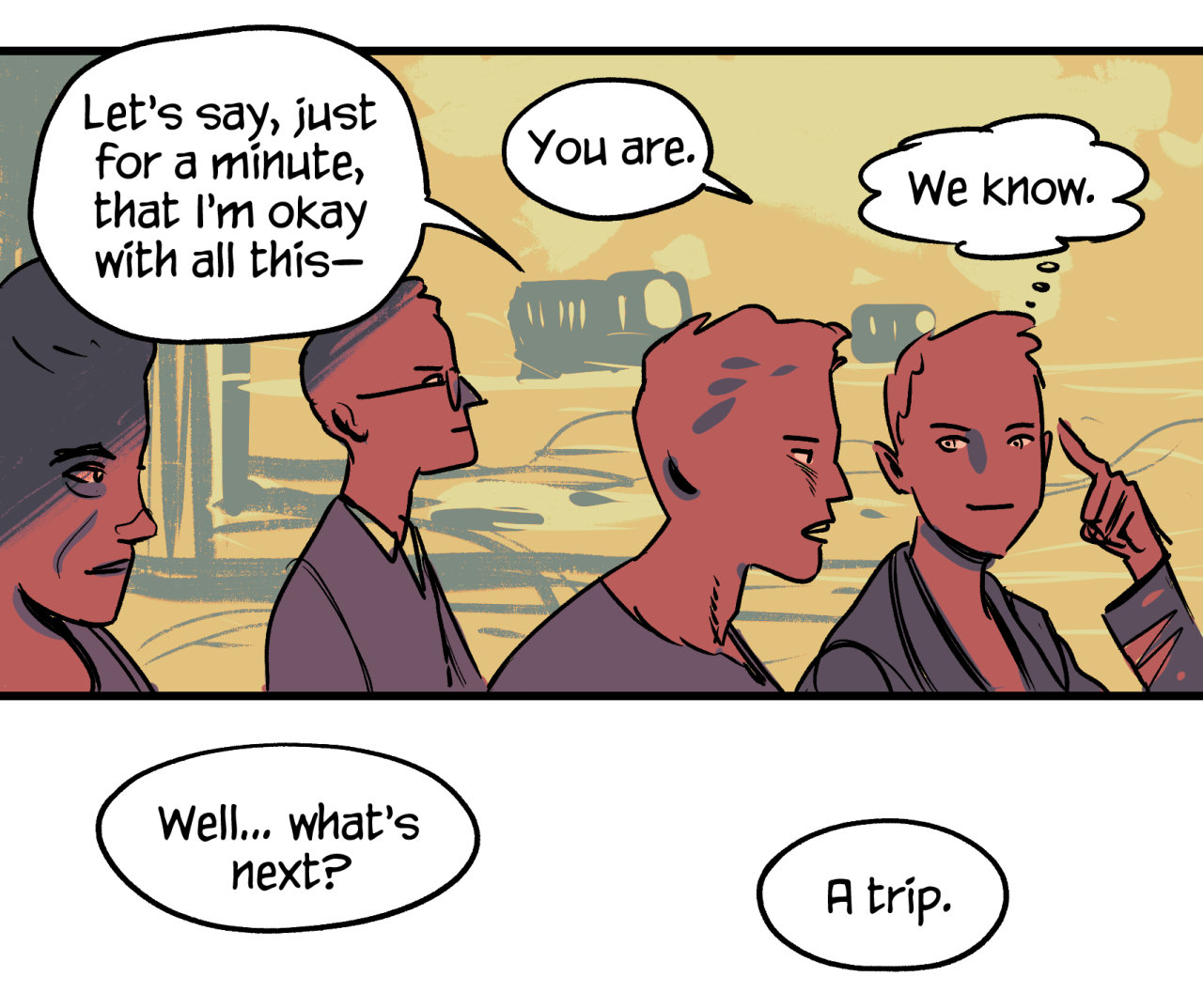
For every new Secret Knots comic, I make a Patreon post with sources, references and bits of world building. This is the dossier for the comic In the House of You

Inspiration
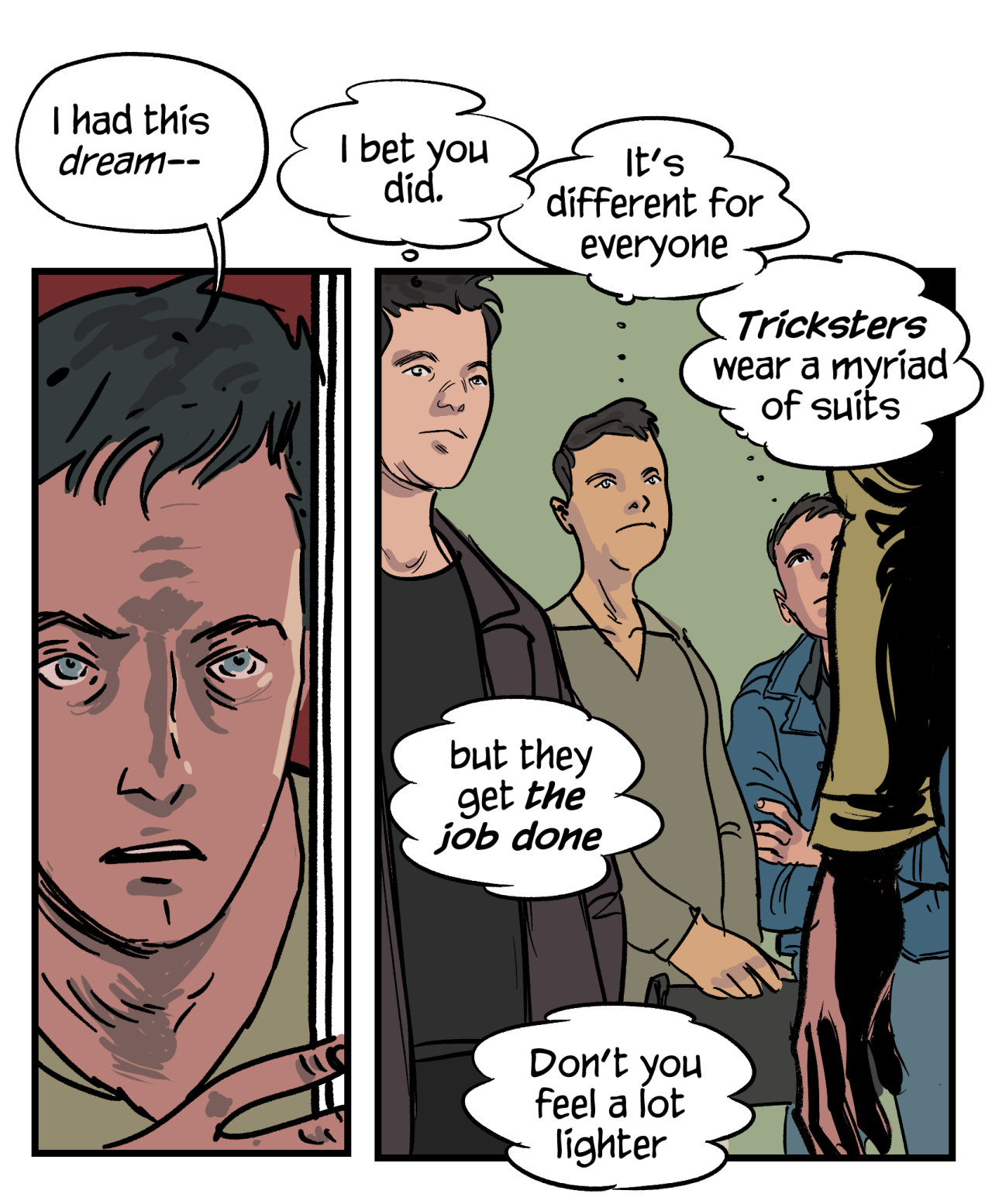
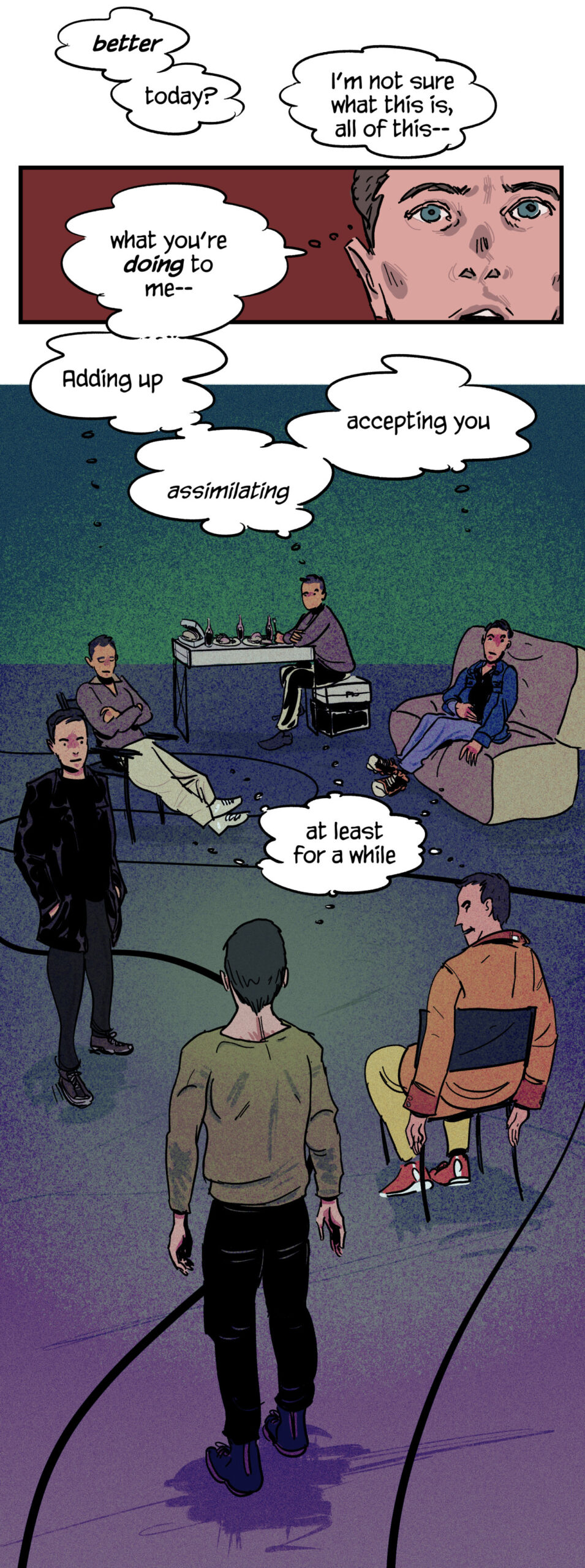
This story comes from the very first years of The Secret Knots, when I tried to figure out a script for a graphic novel or some kind of longer story: the idea of houses as reflections of human bodies. Now, I think it was probably influenced by the kinds of mystic diagrams that show correspondences between bodies and different higher systems, like astrological schemes or sefirot. At some pint, I gave up trying to do something with it, convinced that scripter Charlie Kaufmann had done everything you could with people as labyrinths in the movies he has written. (Not every movie of his deals literally with inhabitable people, like Being John Malkovich, but he turns to the theme of memory as physical space often: in Eternal Sunshine, I’m thinking of ending things, and more)
Eventually, I felt like going back to this idea as part of the series of longer comics I tried in 2023. I wasn’t afraid anymore of trying to put a bigger project in the frame of a Secret Knots comic, and I also had a clearer idea of how I wanted the people and houses of the town to look, which gave the little push I needed to actually draw it.

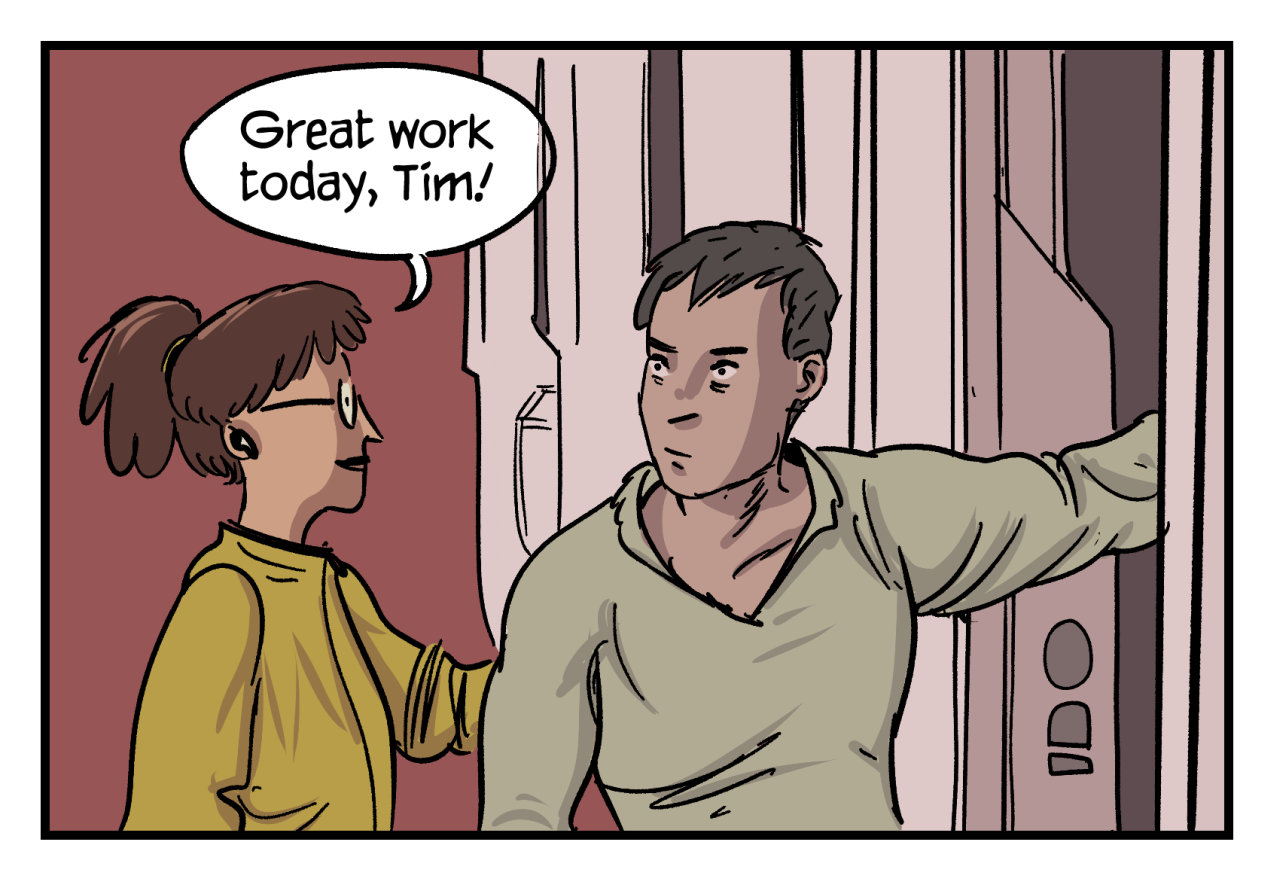
In the comic, Samuel Fludd, is a maintenance worker at a house called Ada, on this whimsical reality in which some houses correspond to real people in another city called Reflexa. He also tells us that only people with palindromic names are inhabited by workers of his own city, Larimar. (Reflexa, and the palindrome thing, are both oblique references to reflection. Larimar is the name of a mineral variant: a blue pectolite from the Dominican Republic, which I took from a list I have of names I like for things, based mostly on the way they sound)

There’s yet another element to this weird setup, and it’s that the workers of the people-houses get to see the people they care for in action, in black and white movie projections. This moment is special, a sort of celebration or break from the routine. In this context, Samuel meets Lucy, a visiting person from a different house, and they become friends.

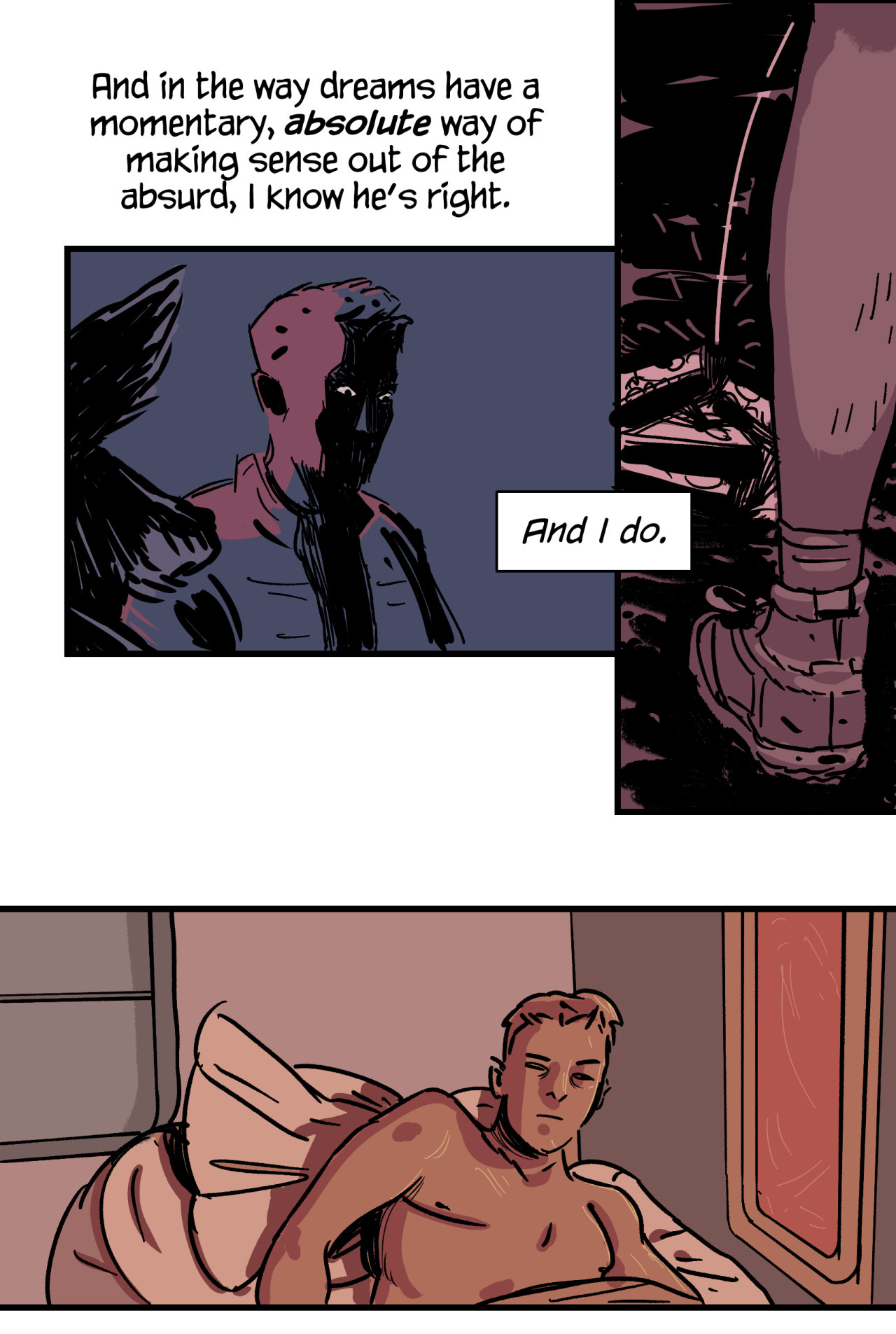
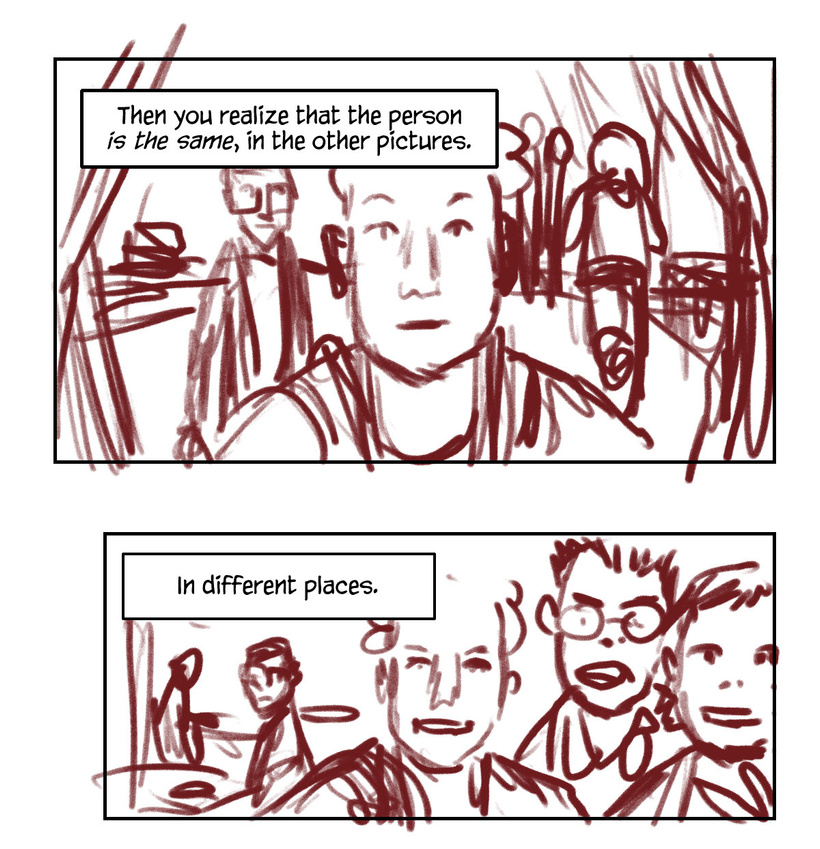
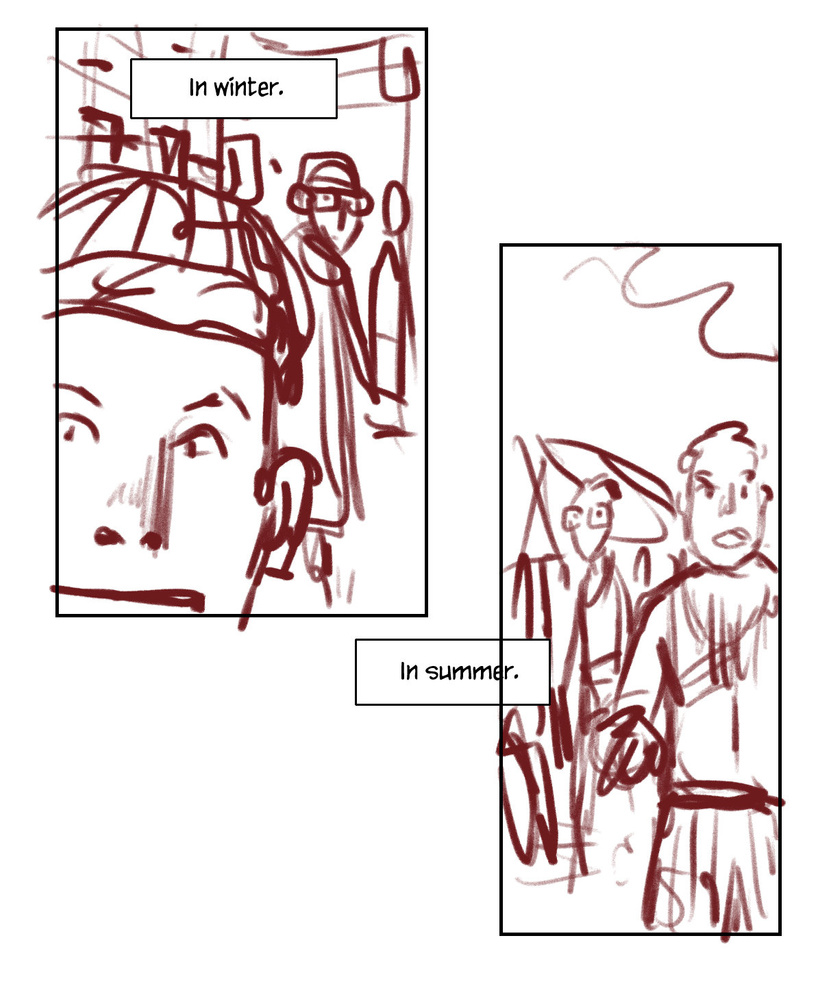
Samuel, who makes drawings of birds as a hobby, decides to make a notebook with drawings for Lucy as a gift, in a scene that I wanted to use a kind of montage to show the time during they get to share, and how they become friends over time. When Samuel decides to give the present to Lucy, he finds out that the house she was working in is being dismantled due to the passing of the house-person. Lucy vanishes then, and leaves Samuel wondering about her whereabouts.
Next, we see Samuel disoriented and confused, while his own house-person Eve’s health worsens as a result. (Samuel works at Eve’s chest: we can see two cabinets in the back that represent Eve’s lungs, and a figure of a heart inside a glass, somewhere in the room too). Samuel realizes that his own distraction is probably having an effect on Eve, so he goes back to doing his maintenance work: he starts by cleaning the disarranged room. There are dying plants in the back, and paper sheets and leaves scattered on the floor. We also see that another resident, Miss Coral, is having cookies and tea with Samuel, probably helping him to go back to his duties. Samuel tells us what’s going on in a letter he writes as an exercise, to collect his thoughts and reach come closure.

Finally, Samuel is seen watching a projection of Eve getting better, jogging and going for a coffee. He wonders if his friend Lucy could still be working in the hands of some other house-person, and thinks he could somehow notice her, if those were the hands of someone that Eve should meet. In the world of Eve, we see her tumbling into someone who reaches out to give her back her coffee, and Eve looks at that person’s hands and face with intensity. The last panel shows Samuel closing the balcony windows of Eve’s chest, (or perhaps opening them?), in any case a sign of a change in the mood, and of him feeling at peace.

There’s a lot going on, and I’m not sure if trying to tie it all in a short story was completely successful, but I believe it was an interesting attempt at least. Some elements may seem like they were meant to signify specific things, but in the end they are mostly part of the tale’s mood, like the blackbirds, or just signs of a certain cryptic set of rules, like the palindromes. I wanted this comic to work in the vein of literary fiction short stories, with the possibility of leaving certain open questions, rather than a puzzle with a clear solution. In time, probably, I’ll be able to see if I really like the result, but I also keep in mind that sometimes a story that feels uneven to me is actually someone’s favorite out there, so I won’t be too self-critical about it.
References

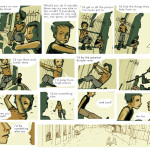
Old sketches. I wanted to use a bit of this style and fashion for this story. Around the time I made these sketches, I had just seen a TV series about the Bauhaus school in the 30s, so I was in a big mood for that kind of clothing.

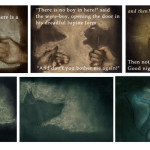
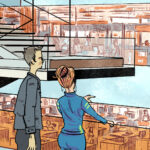
Loose inspiration references for the house:

I love these concepts for the Disney’s Dalmatians movie, and took them as inspiration to draw interiors:

***
I hope you liked these notes. Once again, many thanks for your support and feedback during the making of this comic, and special thanks to those who suggested corrections and told me about typos in the text. I hope you enjoyed the comic!
I’ll see you soon with more stories and art.
Juan.