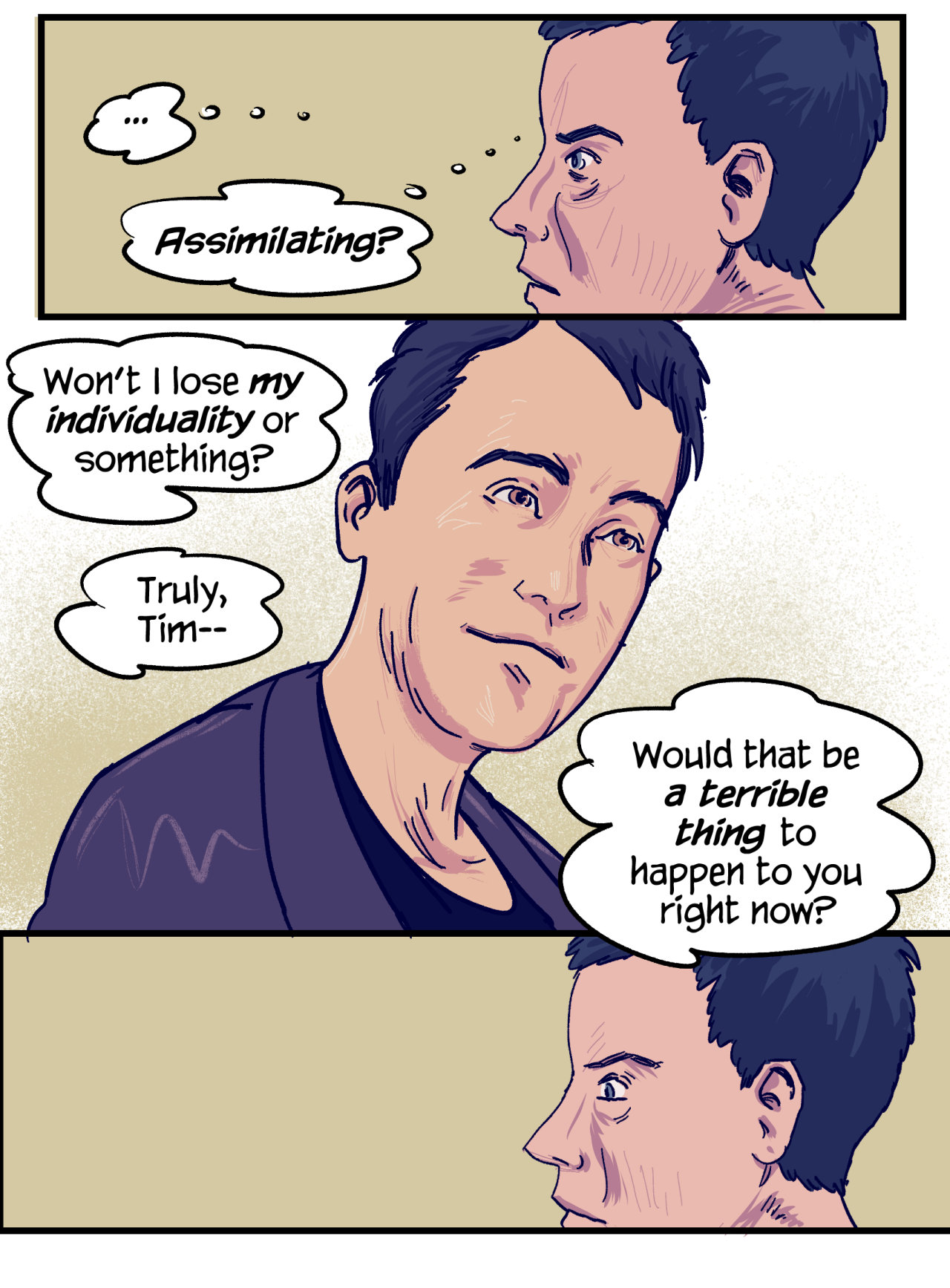
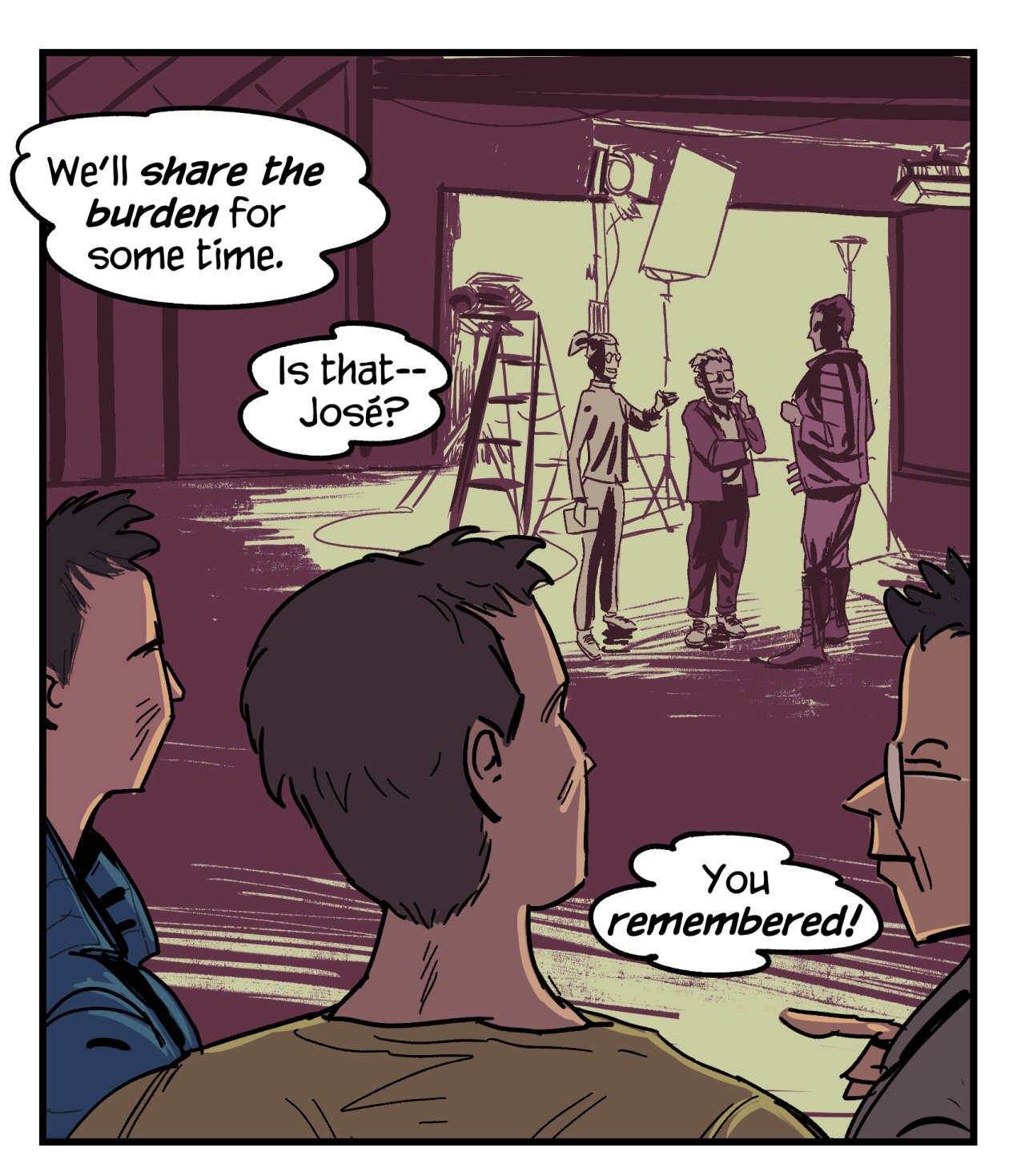
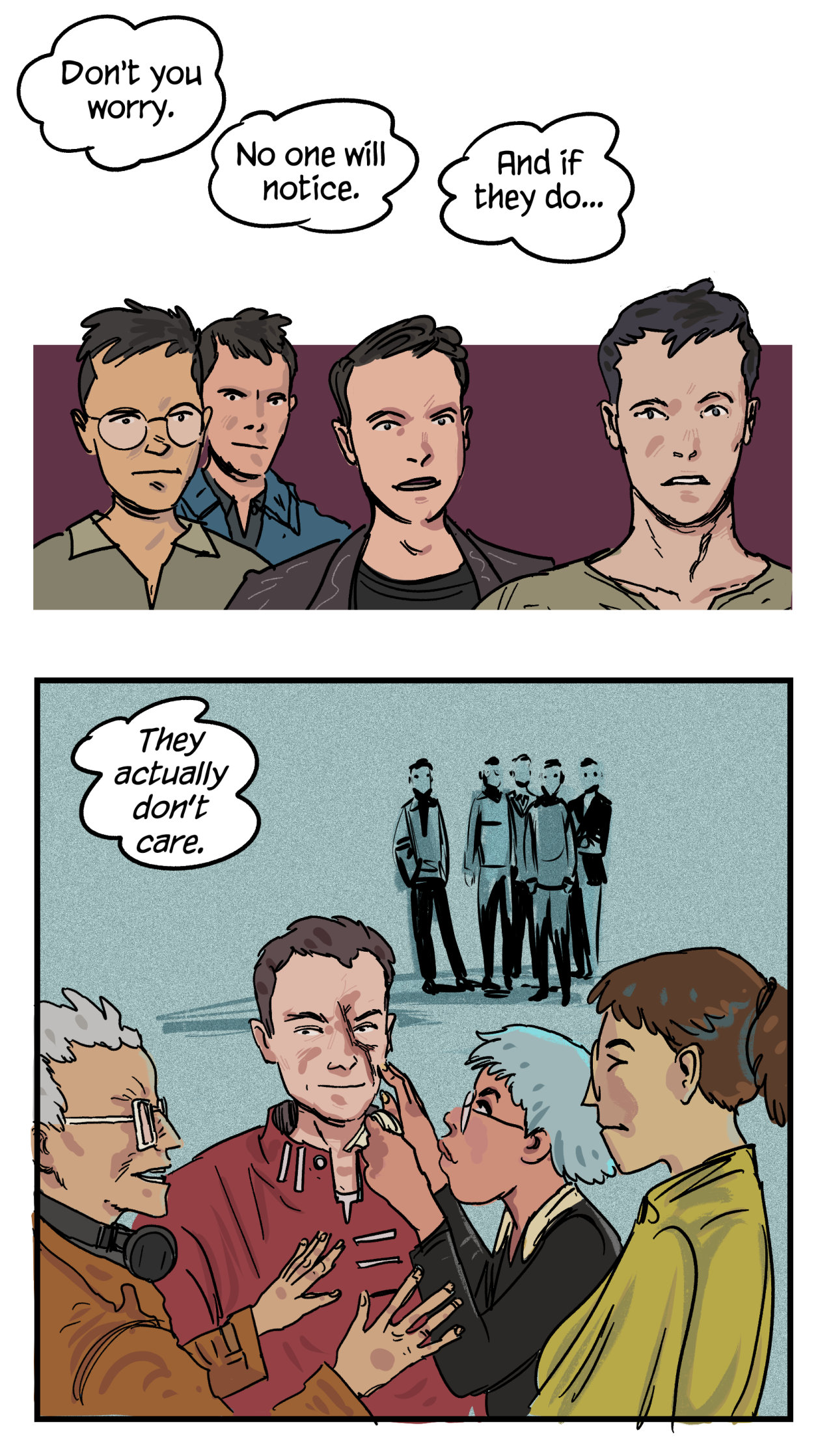
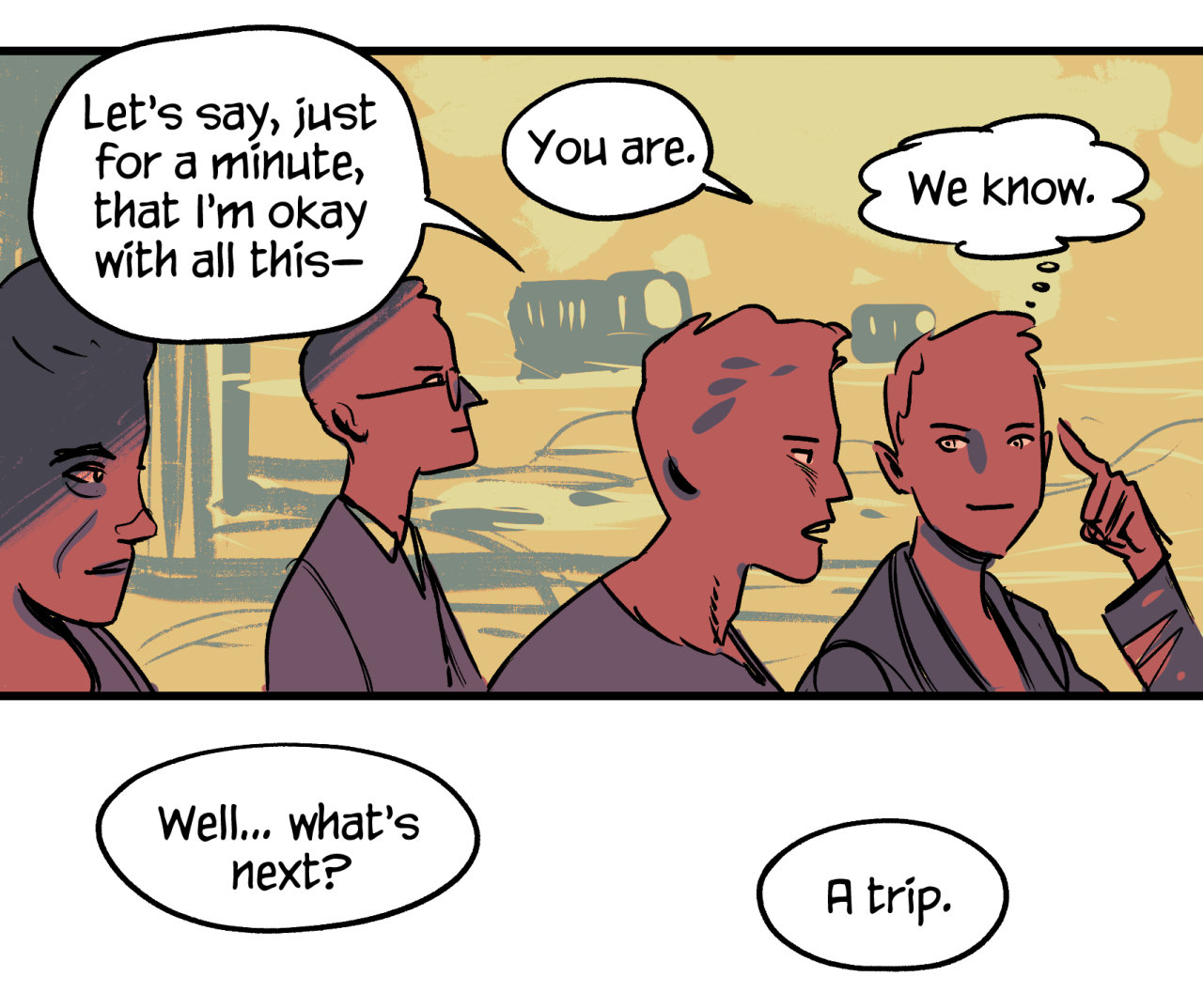
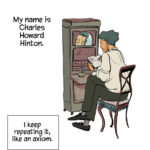
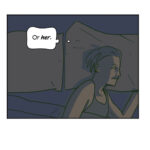
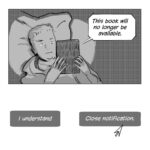
Patreon exclusive extras for the new Secret Knots comic “How to find happiness in a video game”

1. Inspiration
I’m not a gamer. (I do play Tabletop RPGs, but that’s another story) I tend to find complex games too demanding on the time window I want to dedicate to them, or I get easily frustrated about their learning curve. With the exception of some retro emulators and Vampire: Bloodlines, which I played many times over a decade more or less, I can’t say I have a lot of gaming experience. And yet, I’ve made three or four Secret Knots stories about them so far and it probably has a lot to do with some concepts that I find intriguing about the medium: the glitches, the stage-like feel, the hidden content; there’s a lot of potential for mystery and The Weird there. Maybe even more for a stranger, who will not ponder too much on the technicalities and sees as a tourist would do.

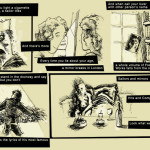
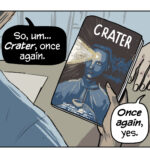
I’ve been following a thread of “fake clickbait titles” with the latest Secret Knots comics, usually with some random seeming twist, following a character through a list-structured chain of events while trying to tell a story behind this facade. The twist this time bends towards bleakness though, as my main inspiration for the tone was this book:

The Conspiray against the Human Race, by Thomas Ligotti, (notoriously mentioned by Nick Pizzolato as an influence for the first True Detective series) I met his work after some Secret Knots readers recommended it to me and it has become a favorite since. This particular book takes a deeper dive into the dark, as it is a long essay around the notion of the longing for an anti-existence, an abandonment of the supposed innate appreciation of being. The book is mentioned sometimes, a-la Necronomicon in Ligotti’s short stories, the difference being that he decided to actually write it and publish it, a kickass move if you ask me, being a fan of the blurriness between fiction and fact. It looms over the famous Matthew McConaughey monologue in the show and it was an influence in the vision of the cardboard-like backstage of the game world that I put in the comic.

That scene also comes from a specific gaming memory of reaching an unused area of a game using a console cheat command, and staying there for a long, idle while, as if I had found a pocket dimension, one where you get to see the blank bricks that everything is made of. Besides that, I think some of you who play games may have spent a few contemplative moments watching different digital skyes, pixelated or not according the game’s age, cycling over your character’s head. The idea of this kind of digital zen moments keeps popping up in some of the stories.
2. The Game
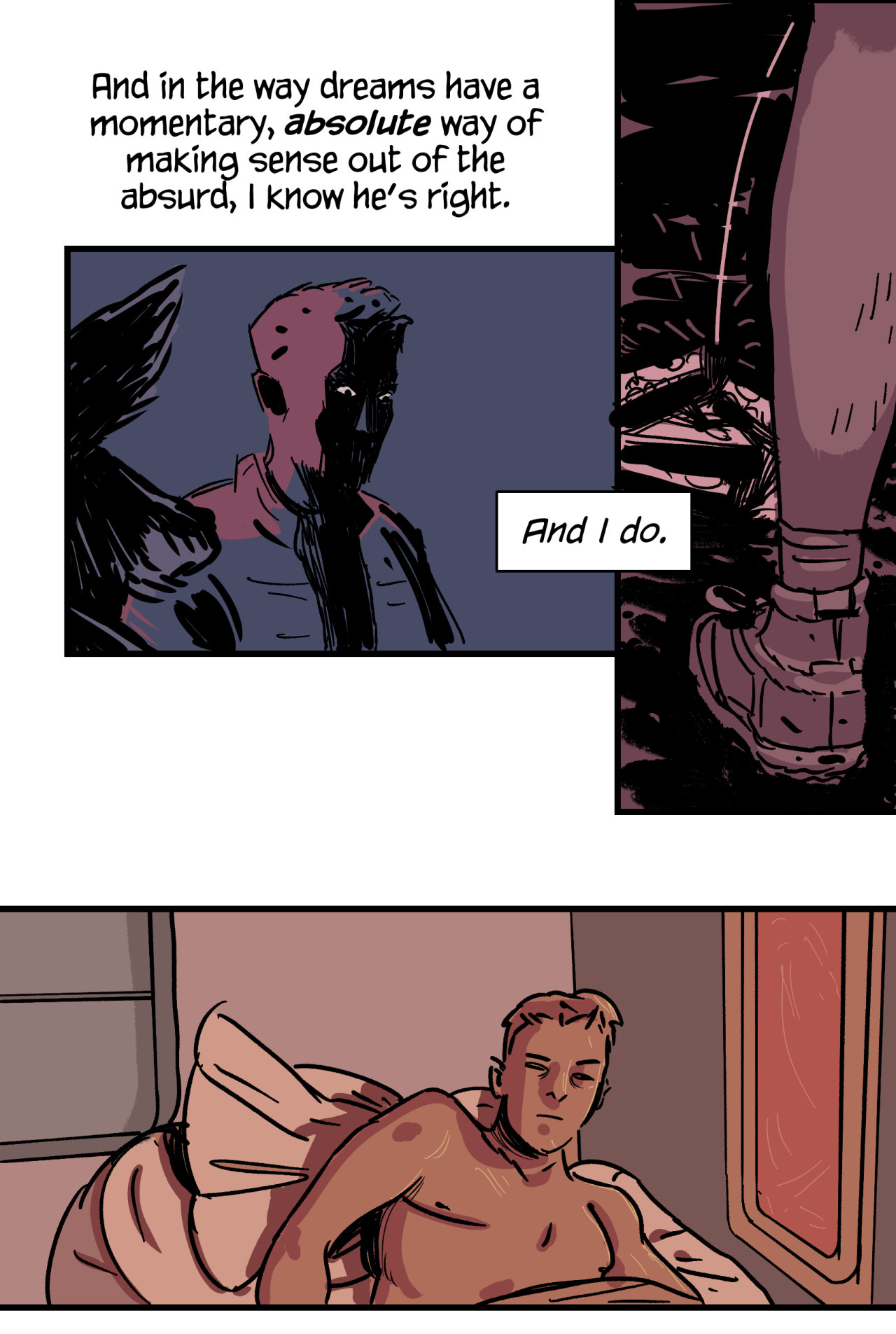
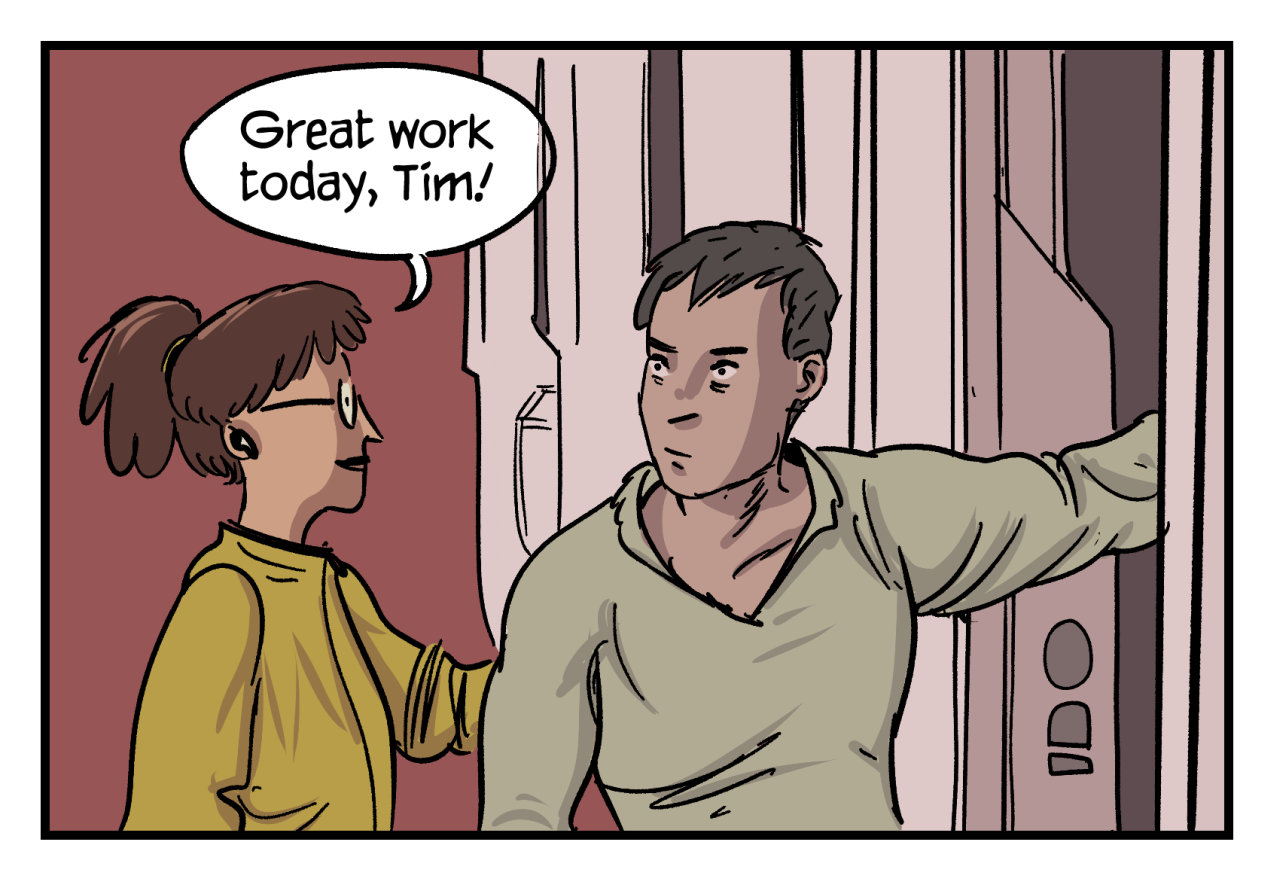
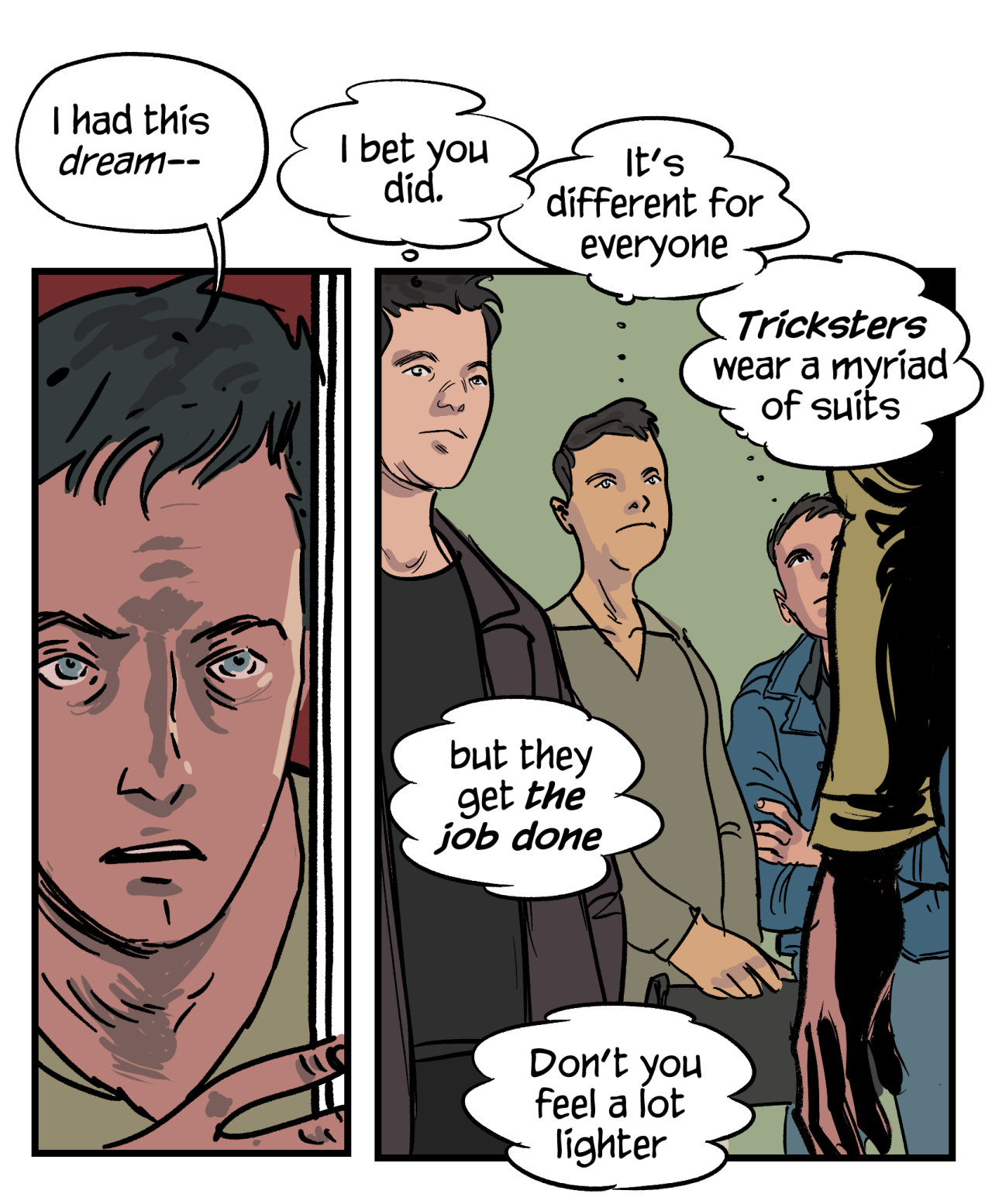
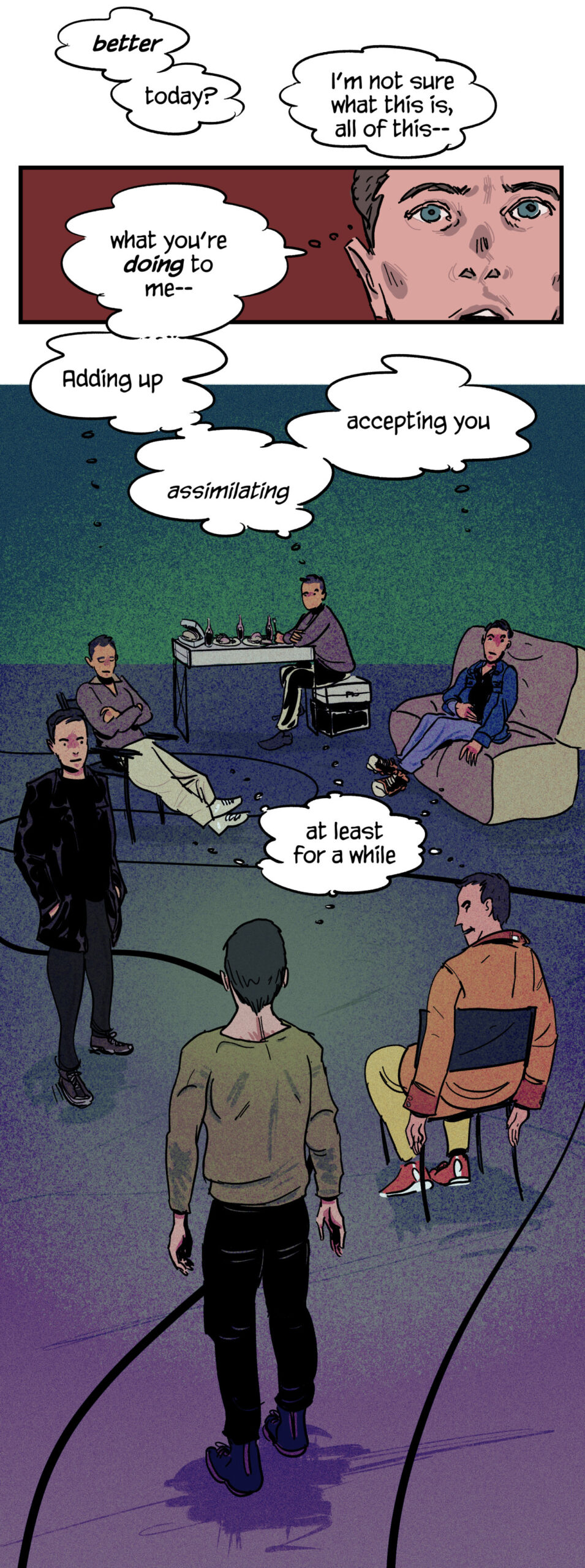
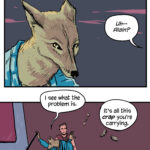
Being like a tourist, I didn’t want to use an existent game of course nor try to emulate the look of one, the strange optics and all that. So I went for the narrative experience instead, telling the story inside the game as it would be experienced by the character, which should -I thought- reinforce the discovery of the forgery of the world. This is one of the themes in the Westworld series too, a story I find most appealing when it feeds of gnosticism and Phillip Dick mentality: the non-player characters perceiving the upper world as a spiritual or platonic realms.
For the game world, I used mostly the same look of the game in the Silentii comic:

Even the costume and look of the main character, because I wanted to look clever connecting the two stories and because I’m that lazy too.
There are no Silentii characters in this iteration of the game though, probably gone with all our data for some unknown and disturbing end.
3. References
For some time I’ve been collecting all I can find from some landscape painters, -mostly on art Tumblr blogs- specific subject and period artists: romantic Caspar David Friedrich, the symbolist Arnold Bocklin, the Russian expert in sea storms Ivan Aivazovski and the specialist in atmospheric and desolate landscapes under the moonlight: John Atkinson Grimshaw. Both were my reference to illustrate the “behind the world” sky:

I knew the nights spent listening to gloomy drones music and saving 18-19 century paintings to a dropbox folder would prove useful for a Secret Knots tale sooner or later.
4. Head Canon and Secrets
(wherein I reveal some wacky stuff about the story world that’s only hinted at or didn’t make it to the comic but could totally be true)
All NPCs were heroes long ago. But in the indifferent bliss of their communion with the void, they forgot.
The library holds books with the untold backstory of each NPC. It’s a legend among them, that’s why they let themselves get killed so easily: to enter the building that keeps the key to their past.

The authors of the library books identify themselves with an owl symbol. There are owls at the library entrance and at the subway station exit. These mythical writers clearly know that place and the backstage no-world.
The underground train doesn’t match the technology of the game world. NPCs are aware and talk of it only when they are recruiting someone new.
Head canon: The prince of the city is a merciless child, half stuck in the ground by a permanent glitch in the game. It makes him unkillable.
Also: The stuck child prince’s only joy is watching shadow puppet plays.
5. Music
Here’s a brief companion playlist I made specially for this story!

Edit: the Iframe doesn’t show, so here’s a simple link to the spotify list)
I hope you liked the dossier. Feel free to add to the Head Canon or say Hi.
Did you like this new feature on the Secret Knots Patreon? Let me know!
And thanks for your support as usual!
Juan.