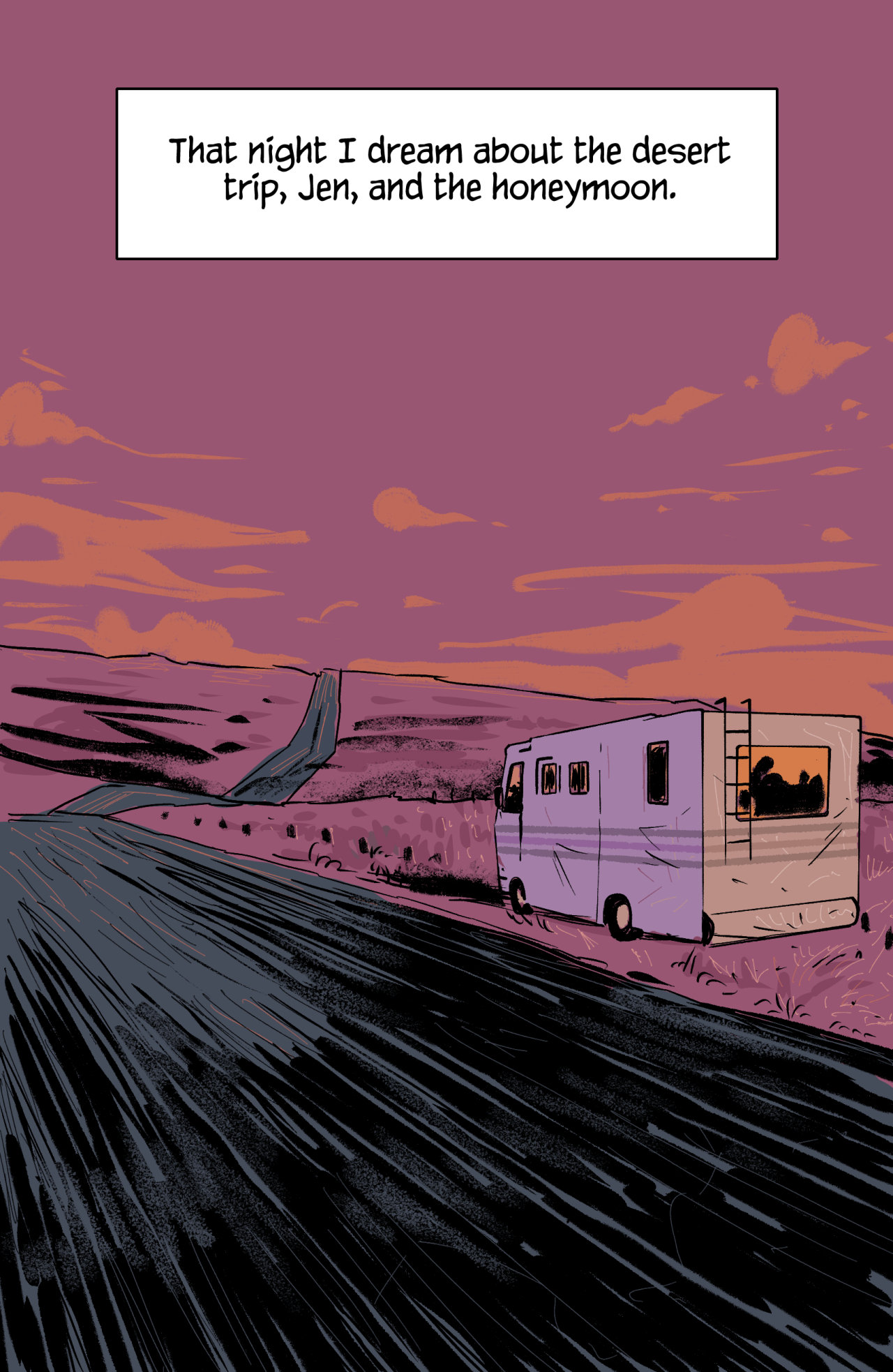
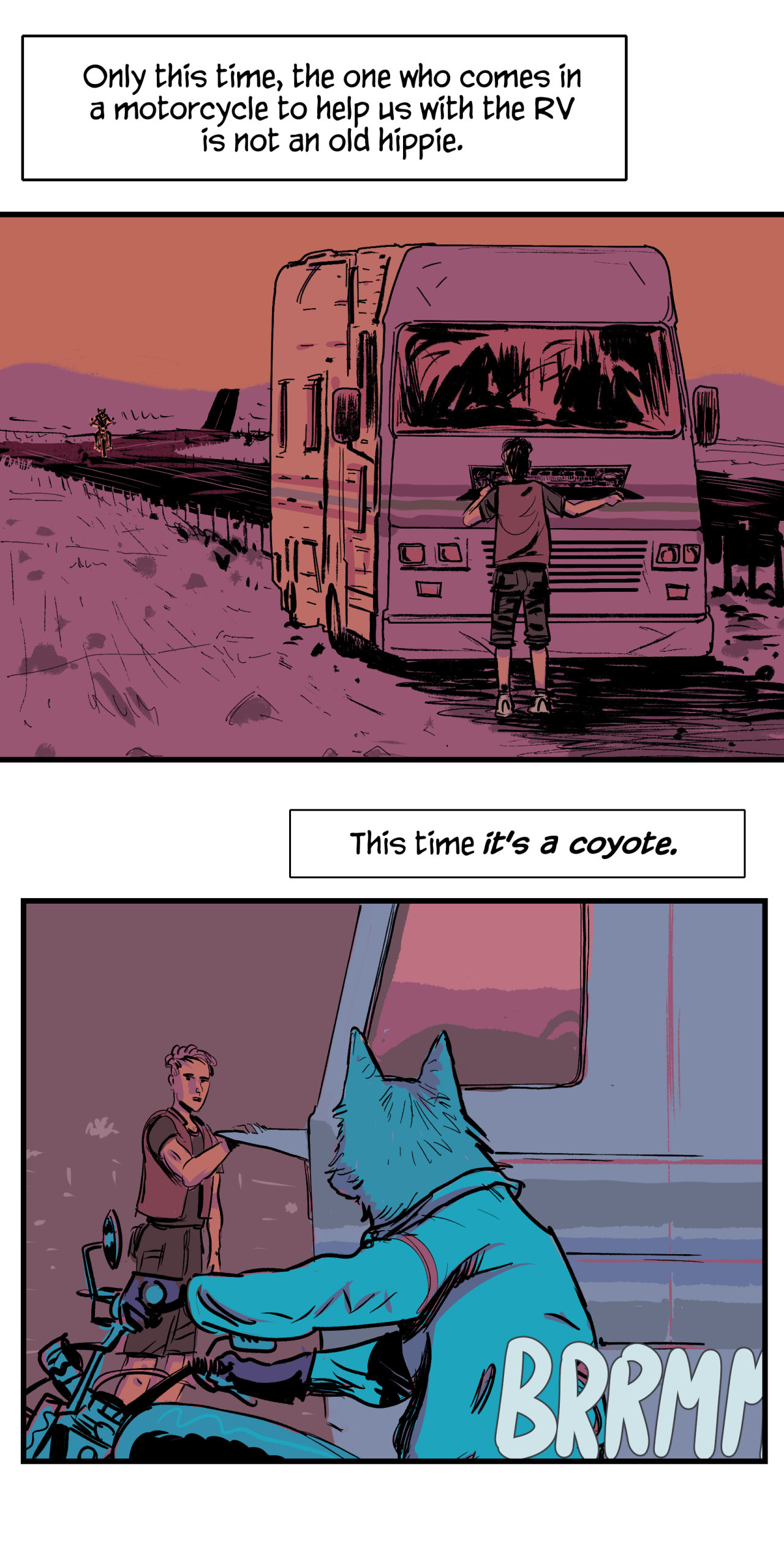
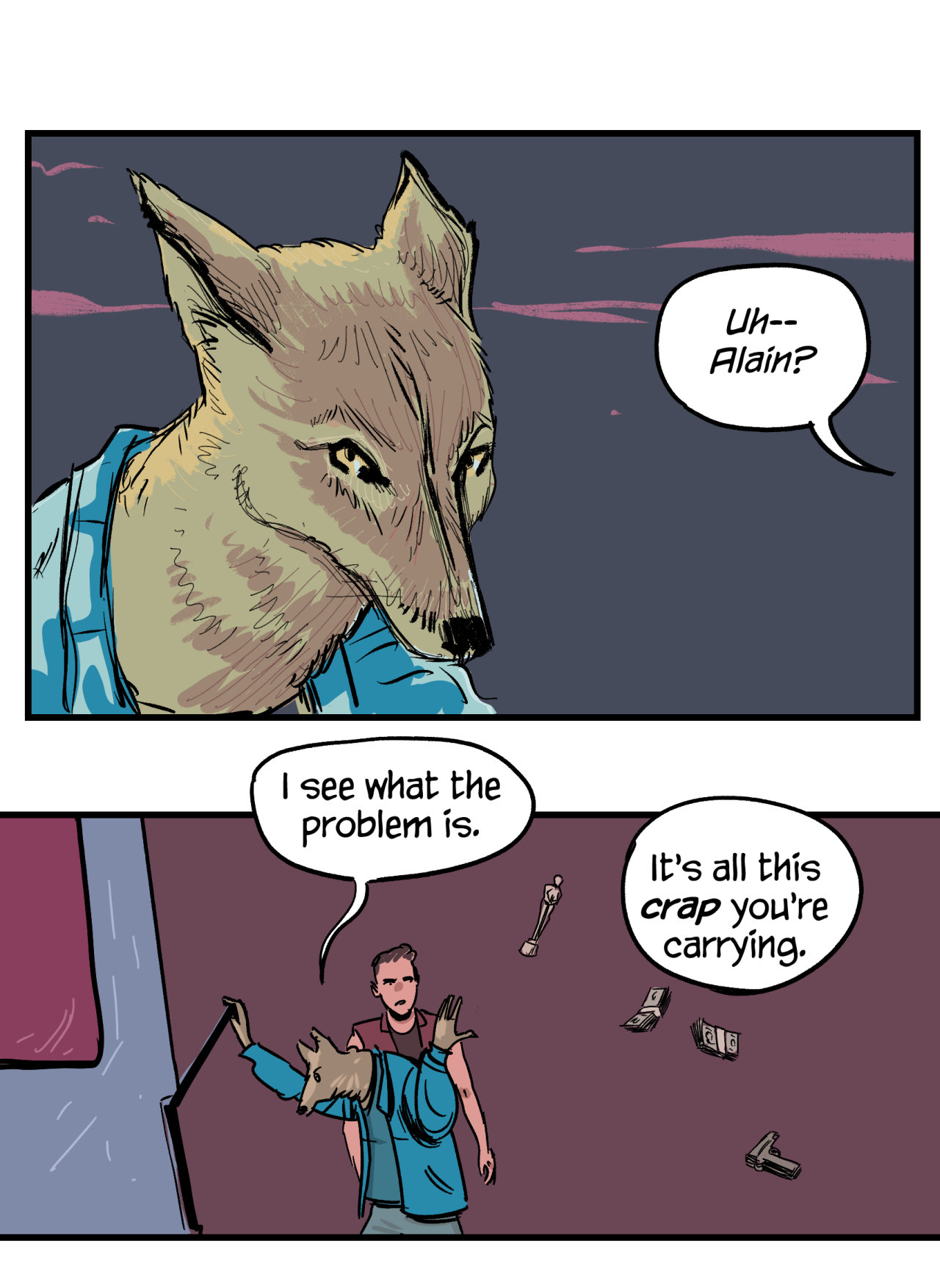
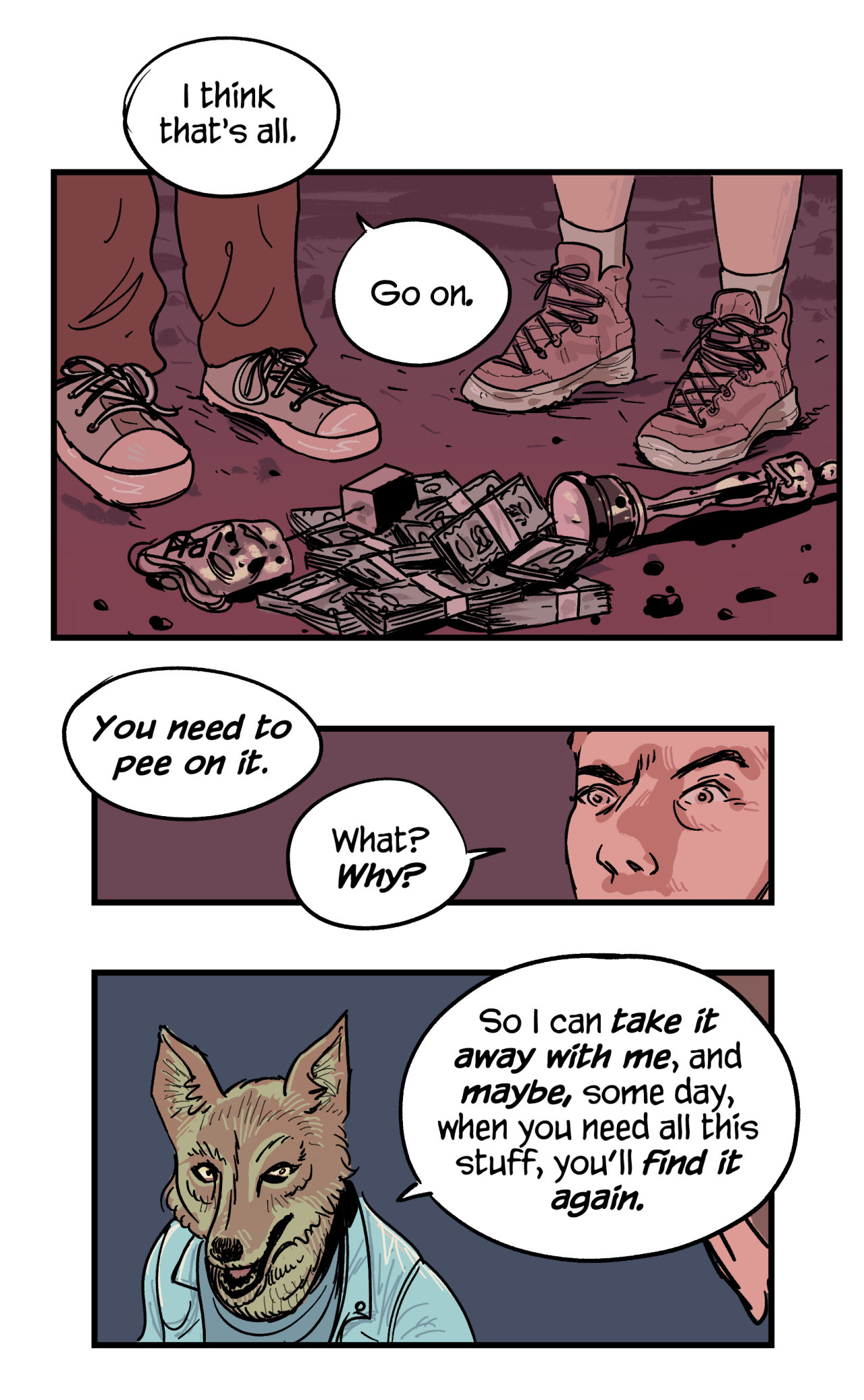
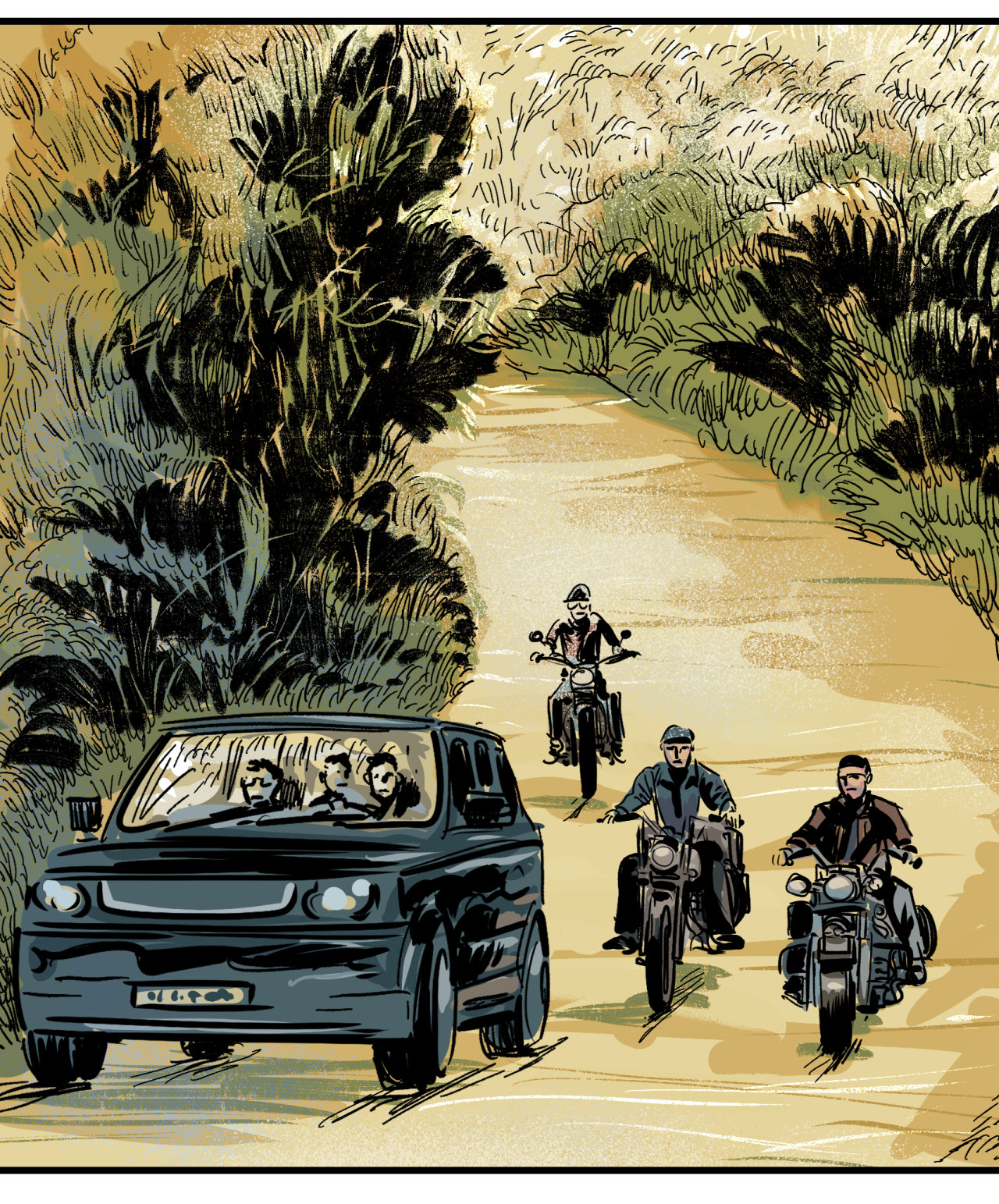
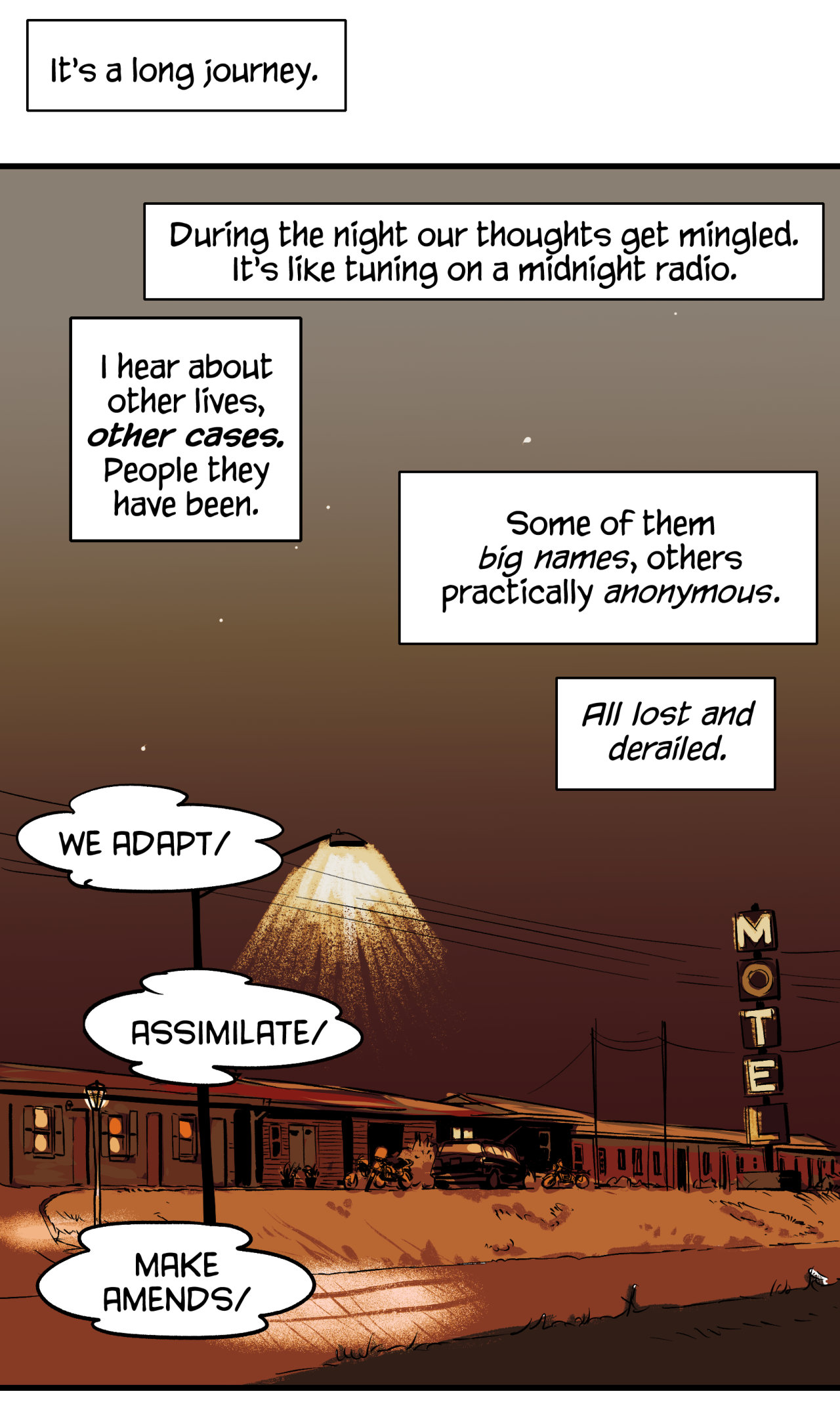
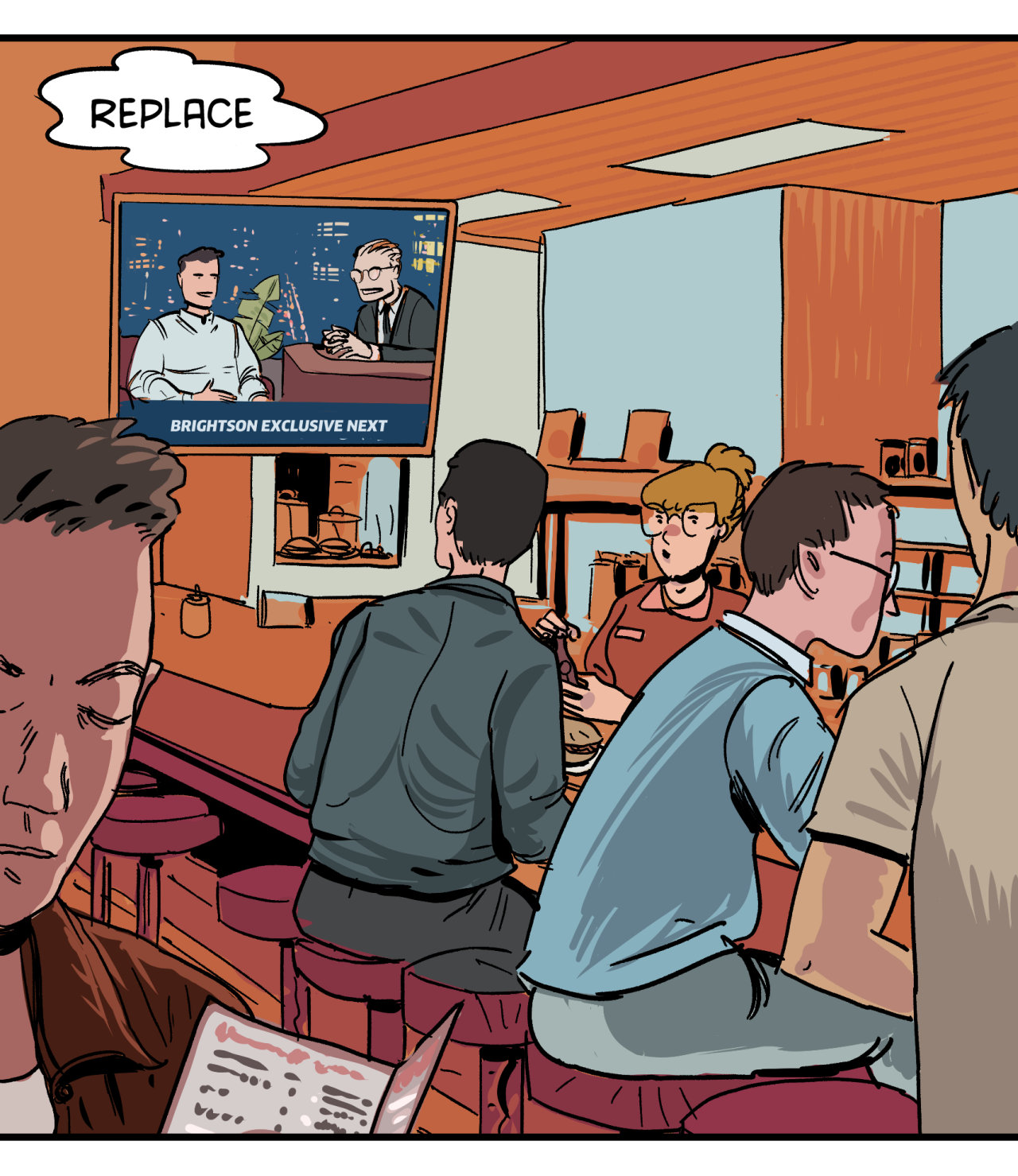
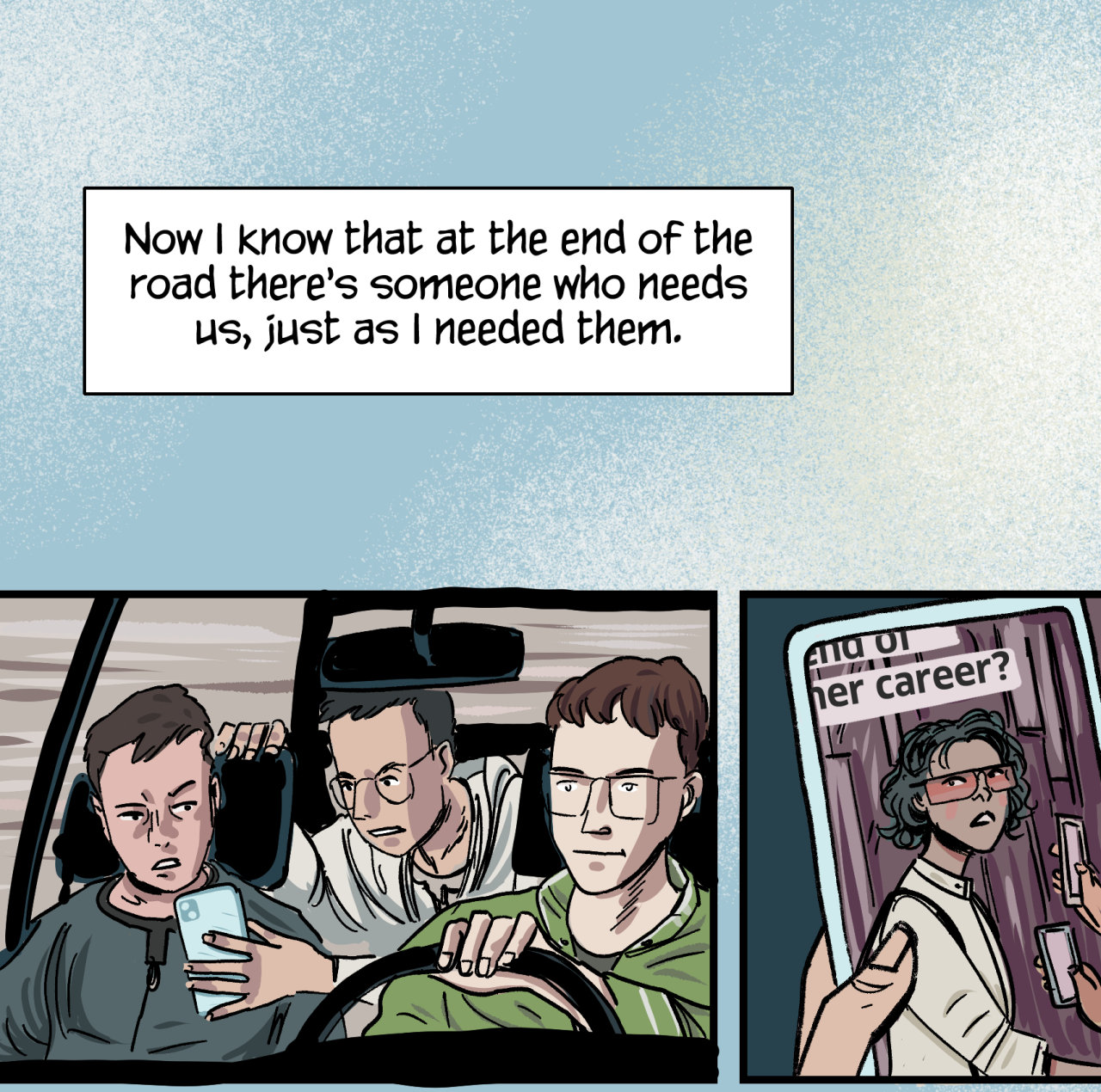
Latest Comics

Eighteen Eighty one

Edit: thanks to Reddit user garlic_lollipop who pointed out that the comic was missing the last panel! It's fixed now.

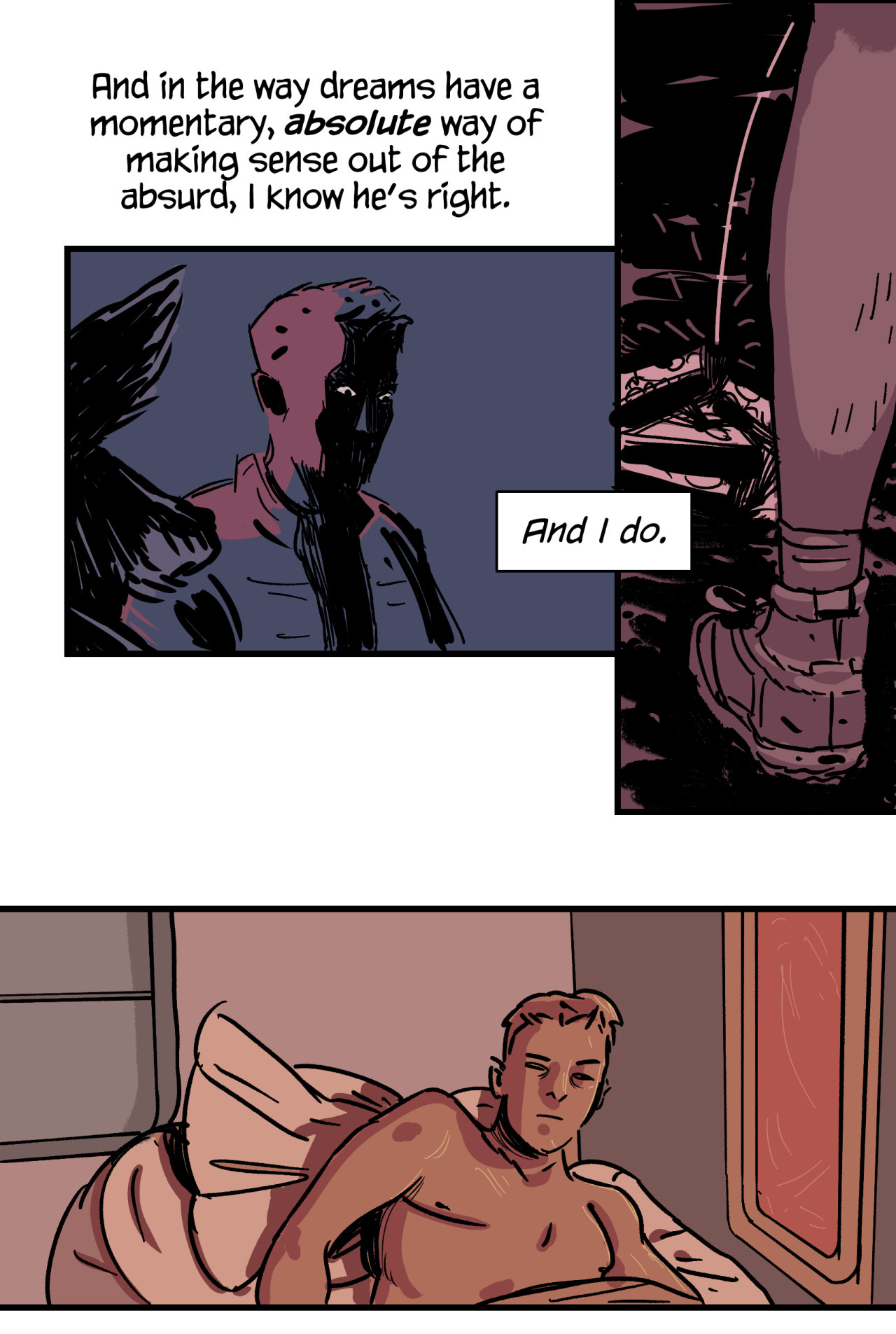
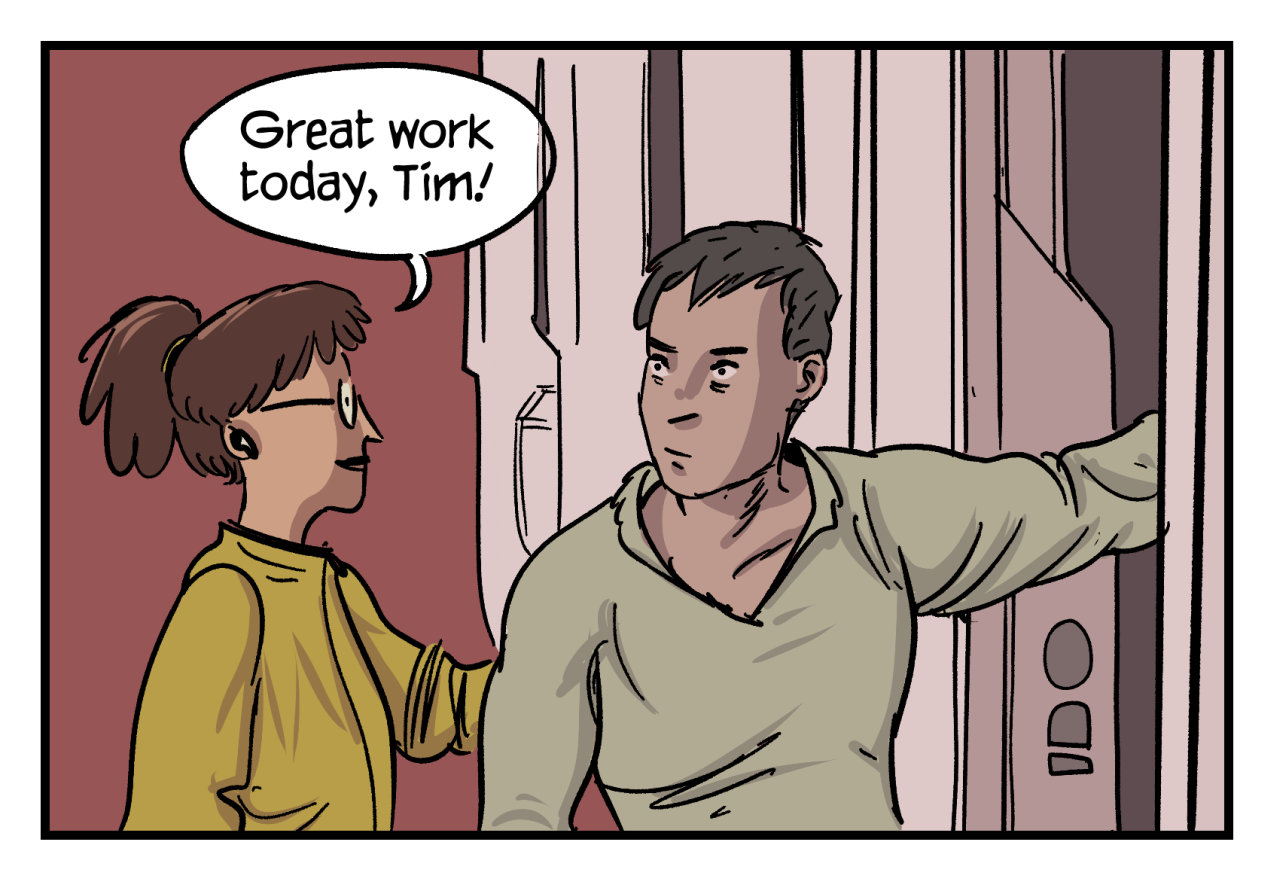
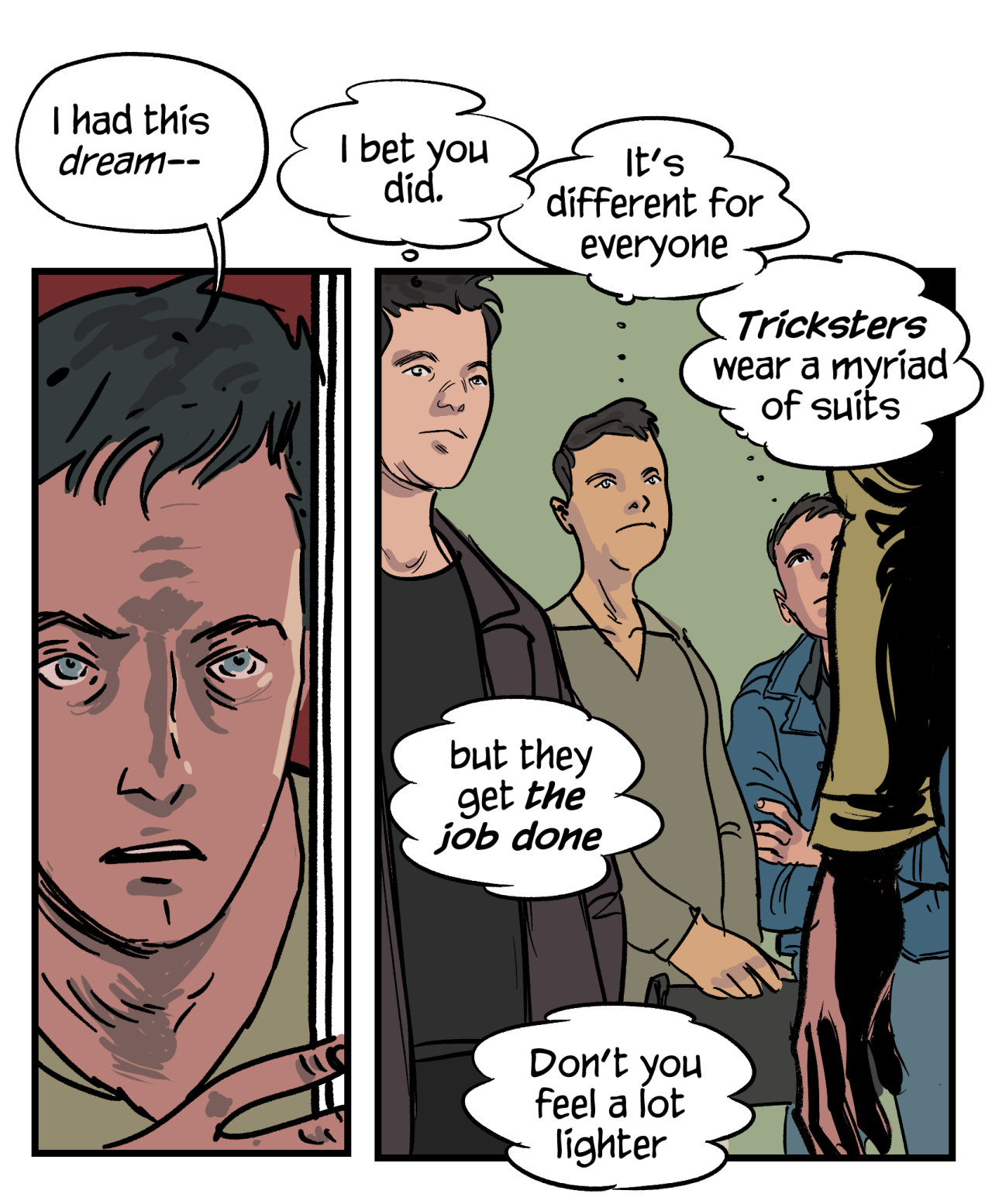
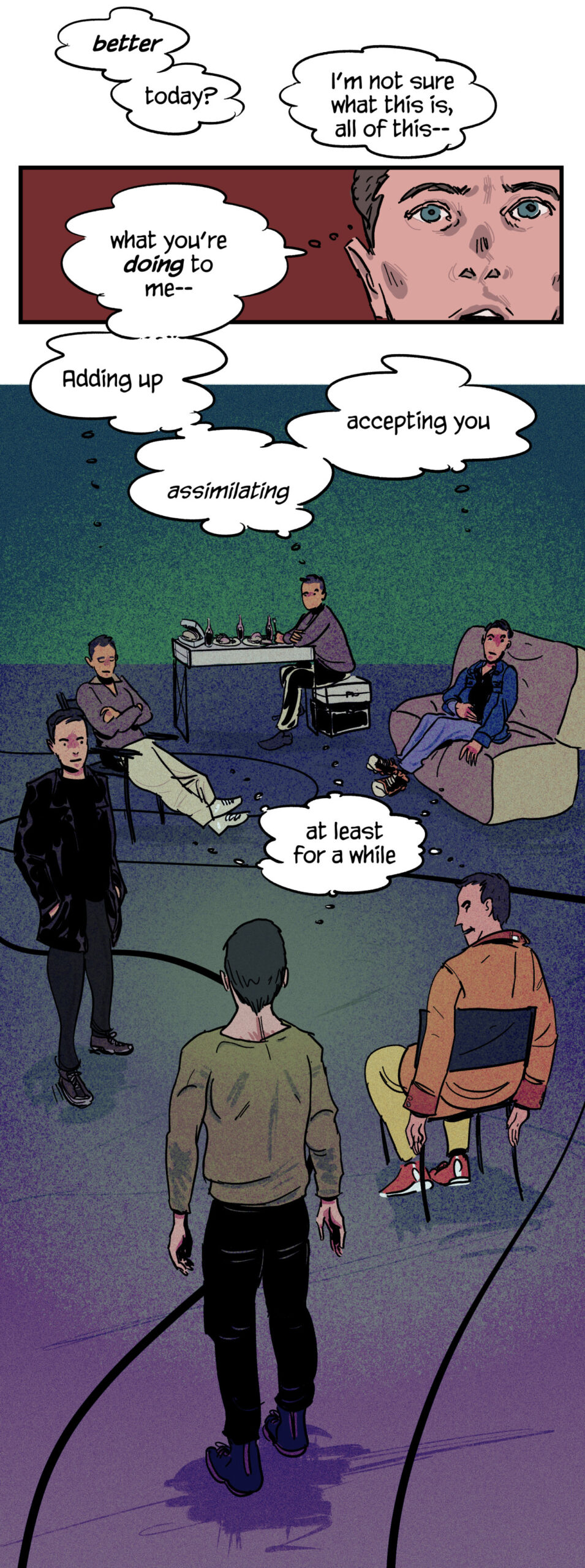
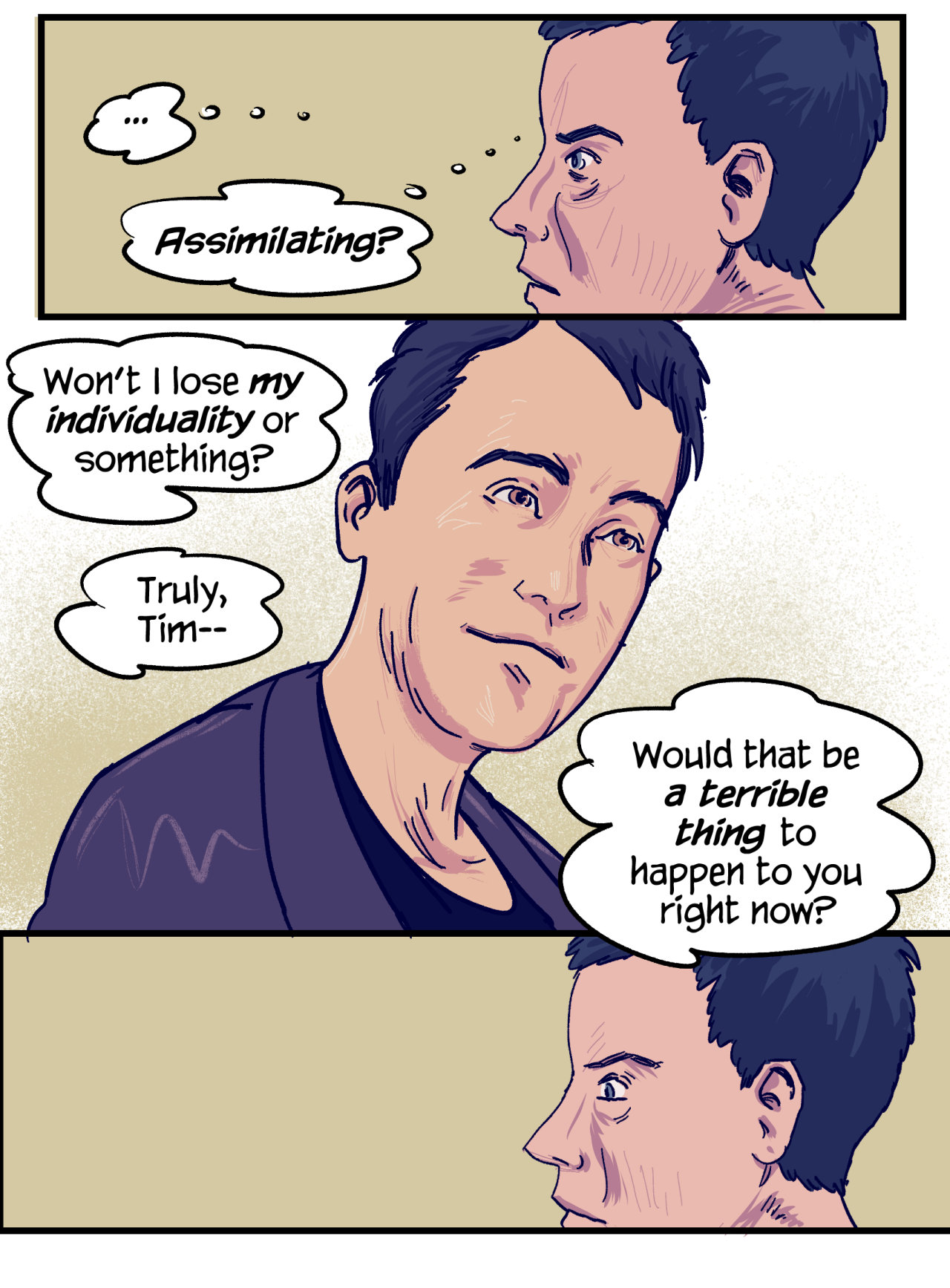
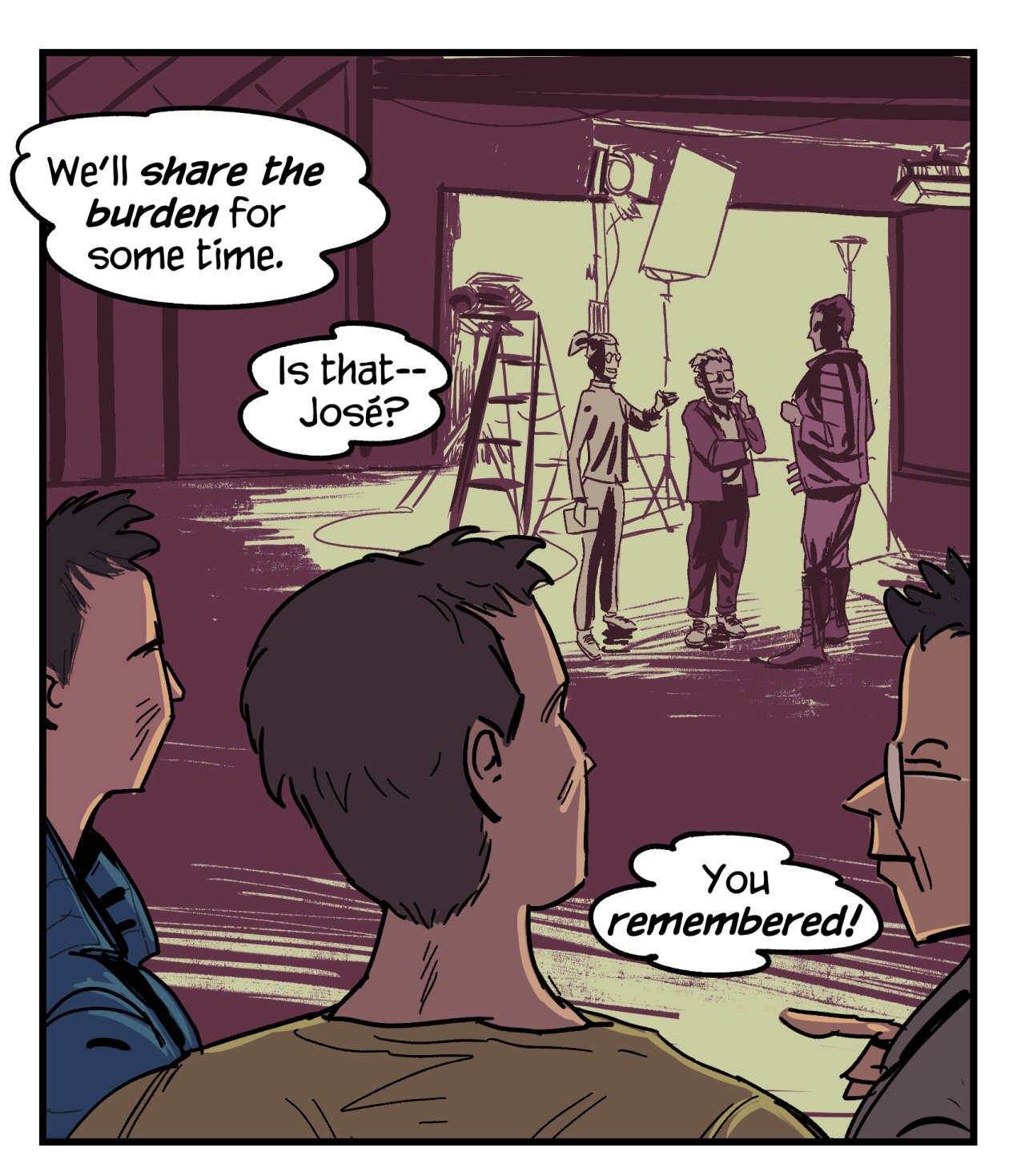
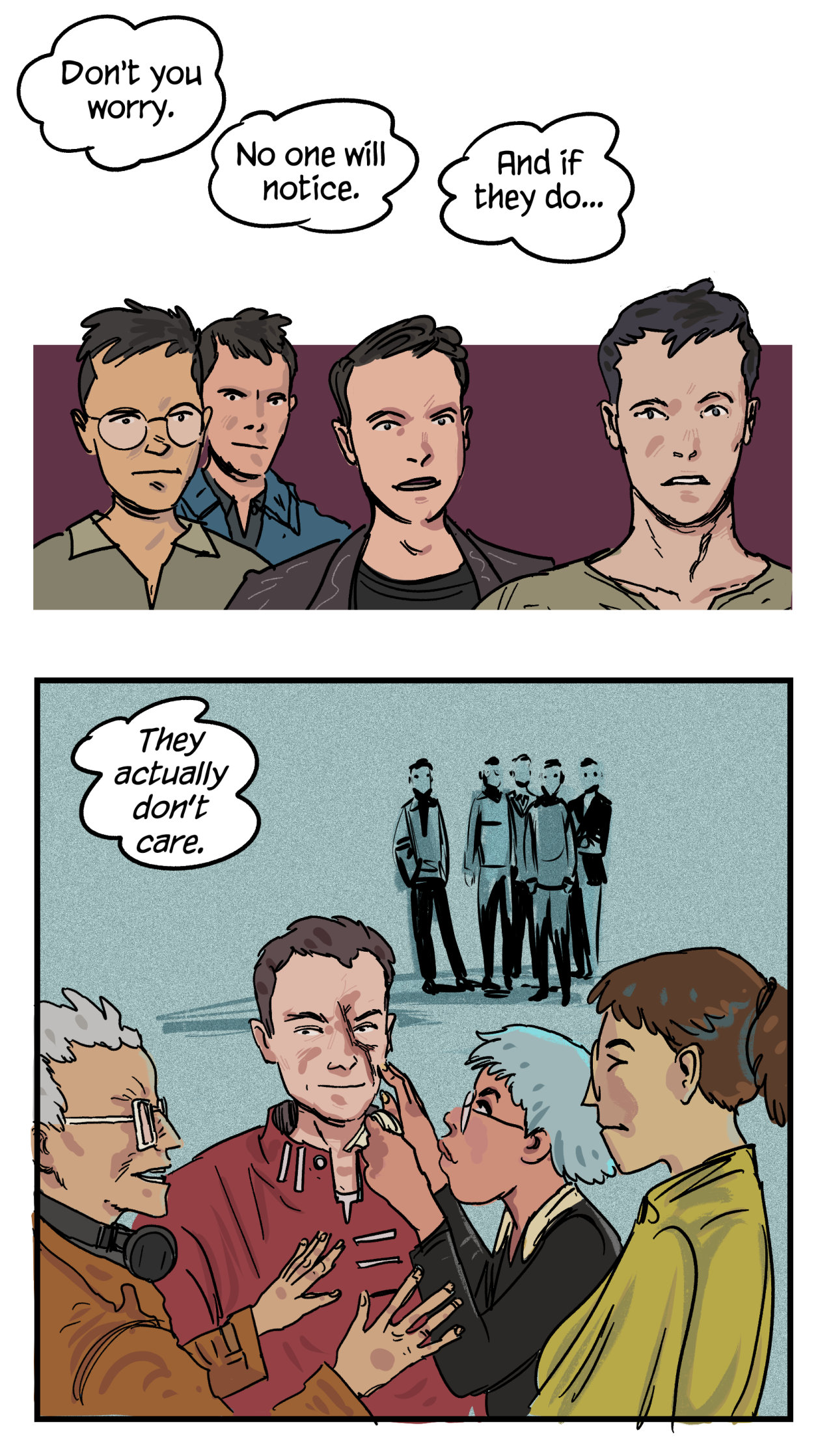
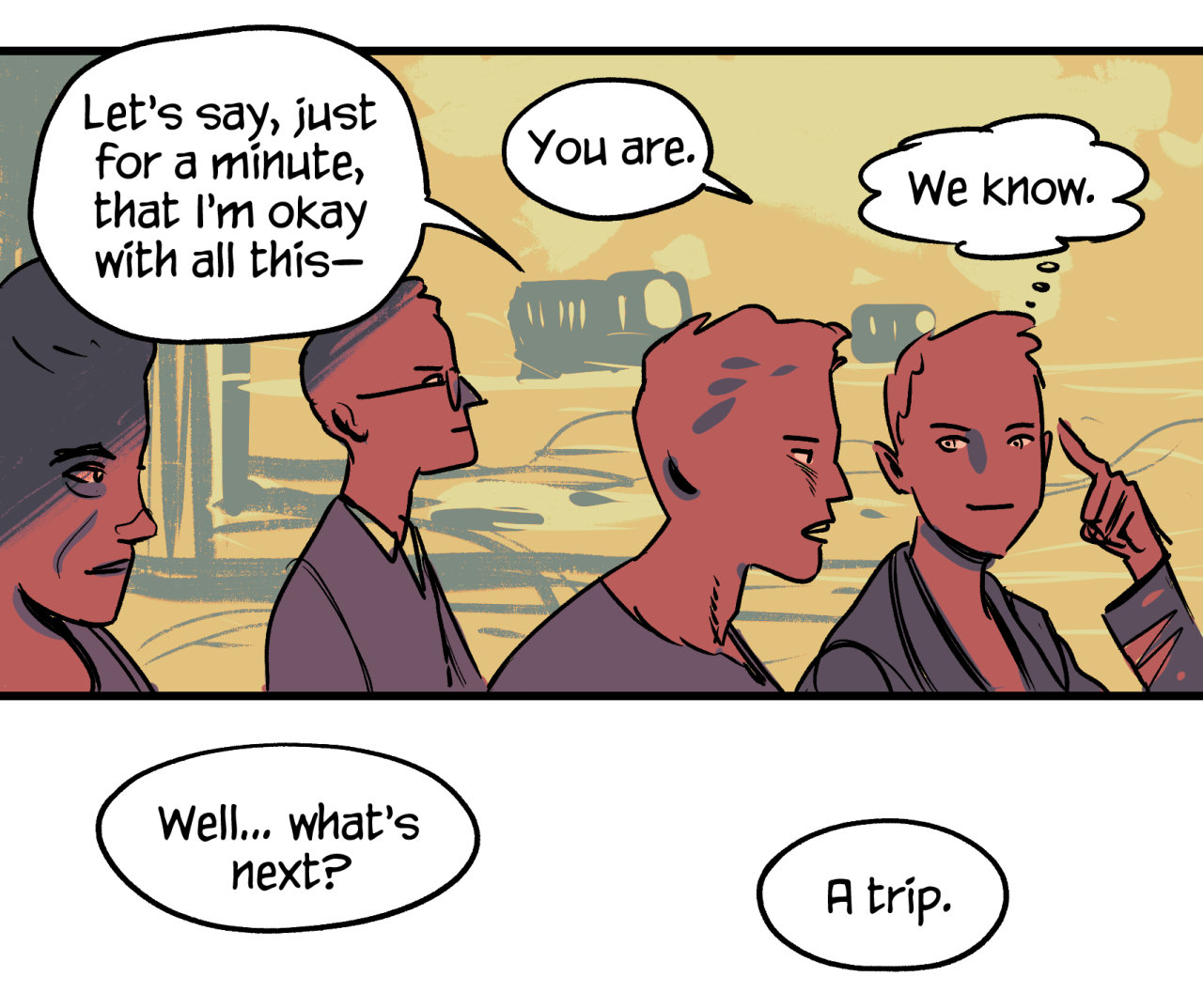
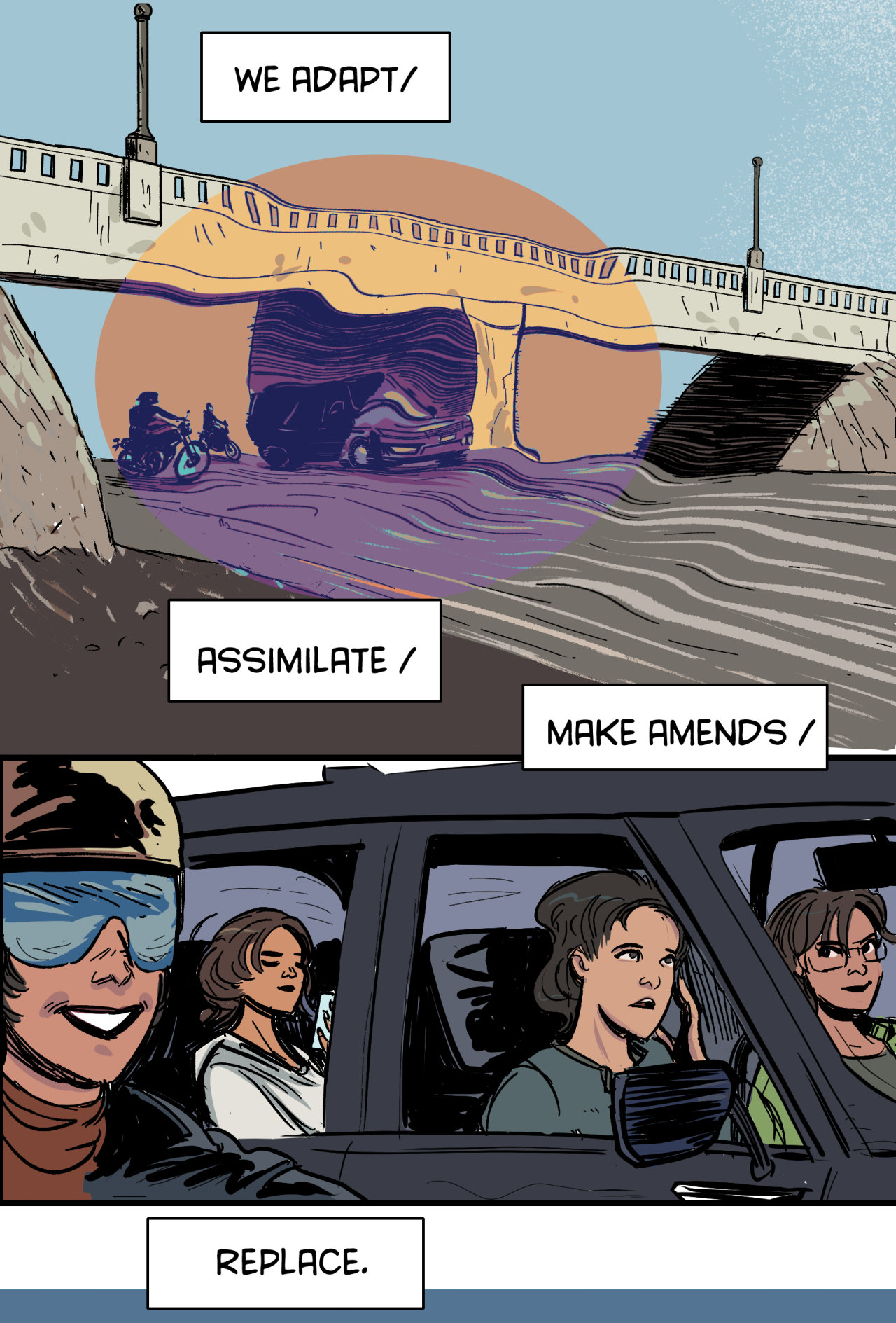
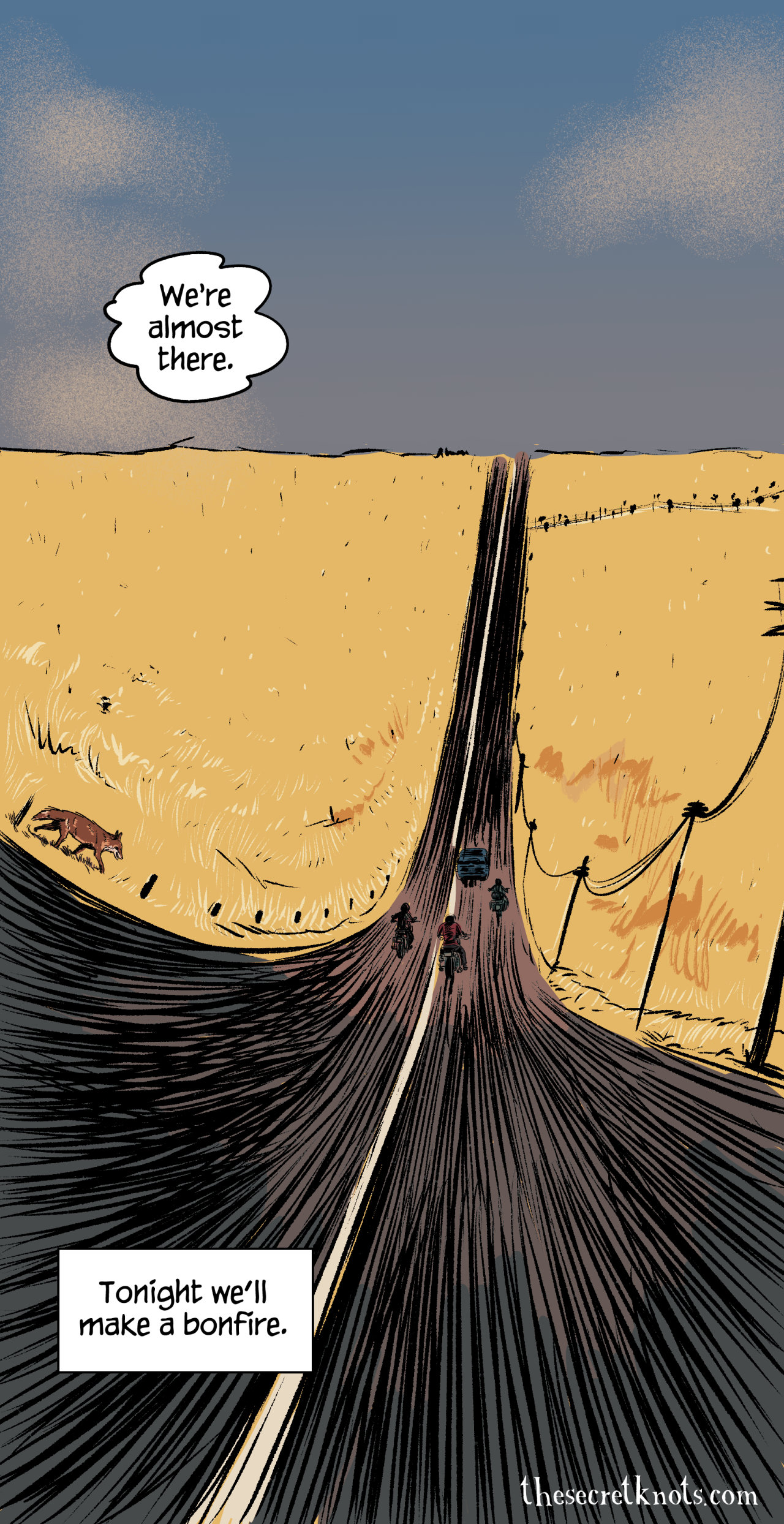
New Secret Knots comic: "1881".  If you know someone who you think would like it, you can easily share it with the button to post on Mastodon, Bsky, Facebook, etc. That's how people get here most of the time.

This comic was brought to you thanks to the support of kind Patreon subscribers, such as Phil Gooch.

I'd love to have a palindrome that made sense to add here in the text, but I think I've had enough of flipping things for a while; there will be a full dossier post about this comic, with extras and references, on Patreon soon, though. 

Wait! Here's one: ailihphilia ;)

Comic Dossier: ‘The Rug’

This is the post with sources, references and extra info about the latest secret Knots comic called “The Rug”

1. Inspiration

 Italo Calvino’s Invisible Cities is one of my favorite books. Every time I go back to it, I read it slowly, let every tale sink gently before moving on to the next, and in that space, after reading the one where the world is pictured in a carpet, I sketched the story in my mind.

It’s called Cities and The Sky 1:

   IN EUDOXIA, WHICH spreads both upward and down, with winding alleys, steps, dead ends, hovels, a carpet is preserved in which you can observe the city’s true form. At first sight nothing seems to resemble Eudoxia less than the design of that carpet, laid out in symmetrical motives whose patterns are repeated along straight and circular lines, interwoven with brilliantly colored spires, in a repetition that can be followed throughout the whole woof. But if you pause and examine it carefully, you become convinced that each place in the carpet corresponds to a place in the city and all the things contained in the city are included in the design, arranged according to their true relationship, which escapes your eye distracted by the bustle, the throngs, the shoving. All of Eudoxia’s confusion, the mules’ braying, the lampblack stains, the fish smell is what is evident in the incomplete perspective you grasp; but the carpet proves that there is a point from which the city shows its true proportions, the geometrical scheme implicit in its every, tiniest detail.

  It is easy to get lost in Eudoxia: but when you concentrate and stare at the carpet, you recognize the street you were seeking in a crimson or indigo or magenta thread which, in a wide loop, brings you to the purple enclosure that is your real destination. Every inhabitant of Eudoxia compares the carpet’s immobile order with his own image of the city, an anguish of his own, and each can find, concealed among the arabesques, an answer, the story of his life, the twists of fate.  

(…)

Starting from there, a trip down the memory subway train gave me some of the details, along with a recent chat I had with a friend about some of the toys that appear in the comic. Specifically these guys: 

 Which were, as I understand, a  made-in-China knock off of some Matchbox action figures and that’s what we could find and afford when I was a child. I played quite a lot with these, and remember vividly how they’d fell apart in pieces if you took their head off. They were cheap, durable and sufficiently articulated to be very cool figures for the time.

 I’been also ruminating over the idea of sounds as memory triggers, since I saw the movie Roma. It turns out a lot of the soundscape of the movie, set in Ciudad de México in the 70s, brings me back to my childhood: street sounds, vendors, the odd made up instruments to announce their products, all these things seem close to my own memories of Santiago in the 80’s. In my story, this catalyzed in a sort of time capsule, and features the act of releasing these sounds and the images that go along, in a way that may even be therapeutic in the case of hurtful aspects.

2. References

 These are the figures that appear in the game, including a star wars figure in its usual silent role. (I had that particular character for no other reason than star wars figures being scarce, so you got what they had in the store, and I got that one and a armored Lando) 

 Once I heard someone who had come to Chile as a child, telling a story of her memories from those first days, and how those images were mostly of ground details, since she was shy of meeting the stare of people at the time. So she fixated on street tiles (more common back then), the small and carefully crafted water drains that sometimes featured seahorses or elaborate abstract patterns, manholes, and plaques with names, dates and companies that you could find in downtown walkways. 

 The tiles I used in the story come from a japanese twitter hashtag: #?????????

I totally recommend looking it up for more of these beautiful things.

 There’s also the gas vendor in a tricycle. They were a familiar sight in the 80’s and you can still find a few of them. The cans are of liquefied petroleum gas, for house heating or cooking. The vendor would hit them with a metal bar to produce a short rhythmic tune. That’s how you knew they were passing by, and could call them to get your gas cans replaced. 

 The sea of houses is a characteristic view from Santiago highway exits. It hasn’t changed a lot in decades, so I used some google streetview screenshots as reference, such as this one: 

 The things that make up this sight, this kind of housing area, are very evocative to me: the playgrounds, some irregular patches of grass, the chaotic difference in house roofs and overall structure, the distant water towers. I can’t measure beforehand how familiar or alien these views may look to readers based on their own background and coordinates, but I hope the pictures in the comic distill some feeling of place in the context of the story, the same way I feel drawn to the view of erratic alleys and over wired neighborhoods in Tokyo without ever having been there. 

3. Head Canon

(Every dossier features this section with world building details that didn’t make it to the final story, further things I could imagine about the background. You are invited to add your own)

Not much ground for speculation this time, since the world of the story is the world of memory, EXCEPT for the fantasy stories inside the ‘forbidden zone’:

  • The queens and kings trapped in the fortress prison are some sort of anti-evangelists, unmaking their own design, trying to come up with strange psalms that will unweave the world. All these psalms talk about, is desire. They are in chains, like the lovers in the tarot.


  • The Wolf at the World’s End is probably also Fenris, the ragnarok wolf that will eat the moon in the Norse myths. But we can imagine a different outcome for that apocalypse, one where the wolf is not finally defeated, and one certainly could picture a child creating a story in his mind where he is friends with the wolf, away from all danger and harm. I may or may not have been that child. And so do you.


This is all for this dossier, I hope you enjoyed it. This was a difficult story for me in some parts, very enjoyable in others, and I think it goes in line with some of my older comics. I’m very glad to be able to share it with you.

See you soon with a very cool thematic portraits announcement.

Thanks for your support,
Juan. 
New comic preview

I wanted to share with you part of the next comic. (This is pages 1-2 of 6)  It’s a short story called The Rug, it has to do with memories and kids play, and also I had to research some fabulous floor tiles designs I will share with you in the extras. I’m in the final stages of coloring and text details with this one, in fact I’m not entirely sure about the title, because I’be hesitated to name it The Carpet instead, and only went for Rug because it sounds more common, and I want that. What do you think? Can a large, handcrafted carpet be a ‘Rug’ as well?

Thanks!

Juan

New Comic, one-shot: “Science Fiction”

I really hope you like it.

I know it’s a bleak story, “maybe better to post it at this side of the change of decade”, I thought. Still: I hope you have a very fine time these days and as usual, many thanks for your support throughout this year.

I’ll tell you -and show you- more things about the ideas behind this comic later, in a small dossier about it.

Juan

Dossier – “Boarding School”

1.Inspiration 

I spent my secondary school years in a boys-only school. It’s getting closer now to end its long gender restriction, apparently. It’s one of the first schools set up in Chile, and it’s rather huge: during breaks you would cross a field that was being used by at least 4 improvised futbol (soccer) matches happening at the same time. A contingent of boys running in all directions, like startled ants, dodging the other balls like in those fast quidditch scenes in Harry Potter movies. Being IN the game was like playing a video game on acid.

It was also a mean, cold, big, old institution where we would go out during recess, screaming like just-released cockatoos. It was sometimes a scenery for violence, alienation and cry. And sometimes, it was a place to learn to call strangers friends (we were separated every year as to not form distractive bonds with classmates), because there was something meaner and bigger that every one of us calling us names, and judging us poorly, reminding our place as contestants on the verge of replacement. Some teachers and all ‘inspectors’ were reiterative about this mantra: there was always someone else who could use our spot in this traditional, renowned school.

I knew some of that would permeate one of my stories one day.

What I didn’t know was when and how: that when my mind wandered as far as it could go, right to the edge of a universe that’s ending its run, I would find another boys’ school, alike and different at the same time, to put some of the violence and exultation I relate to teen dreams. The rest is driven by images mostly. It’s clearly an unapologetic romantic story. I ended up finding its setup a bit rushed to land any deep sentiment, but I think it works as a fast prologue to the rest of the story: I’m finding now clear paths to show the larger world where it happens, in an episodical way, with different main characters. That’s why I’ll leave some major points out of the “Head Canon” of this dossier, in order to avoid spoilers. The purpose of the school itself is one of those, as it will be shown gradually along the story. I hope you get into the mystery of it all. 

2. References

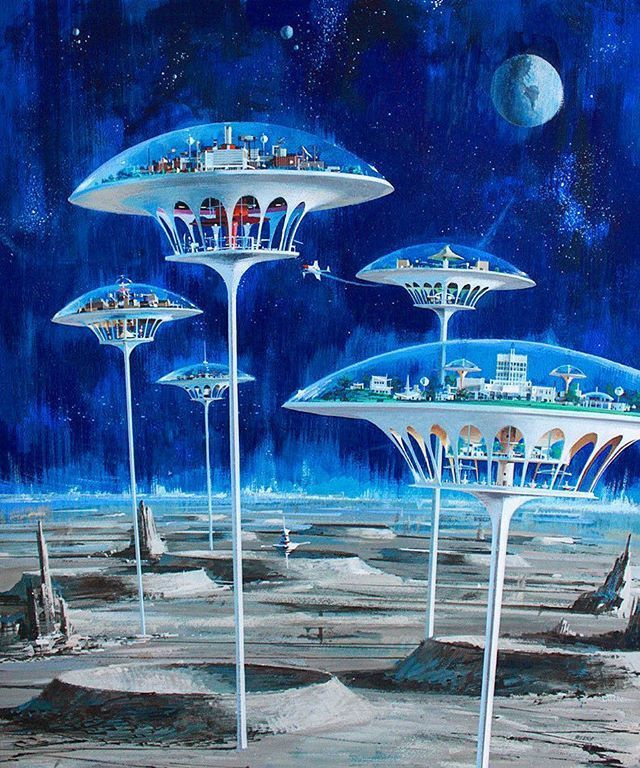
 These were all visual cues for the more cosmic aspects of the story world:

“Moon Colonies” By John Berkey

I can’t find the author of this illustration. It seems it’s been pirated a lot, and I only was interested in it for the lines effect in the sky.

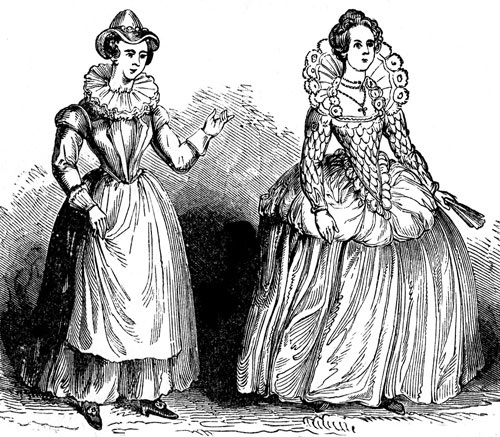
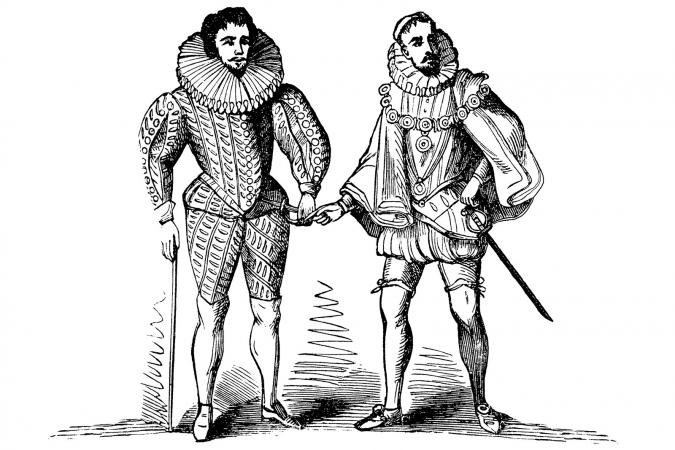
These are references for the 1910’s inspired style of the school, as well as the elizabethan inspired party fashion: 


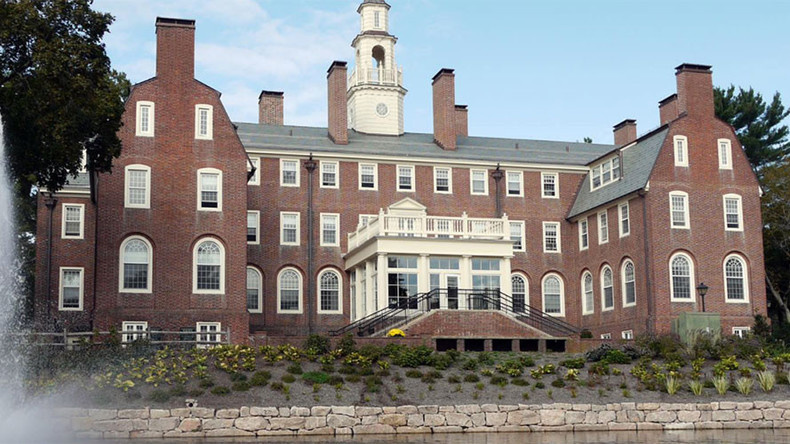
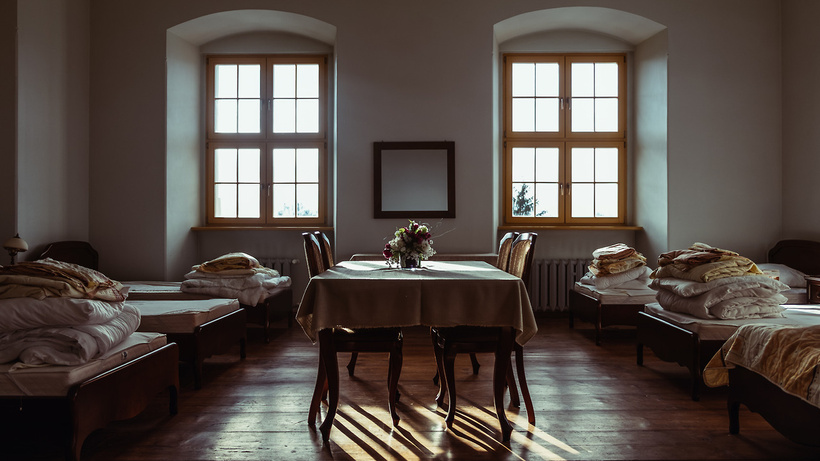
and for the boarding school itself:

(The lamp)

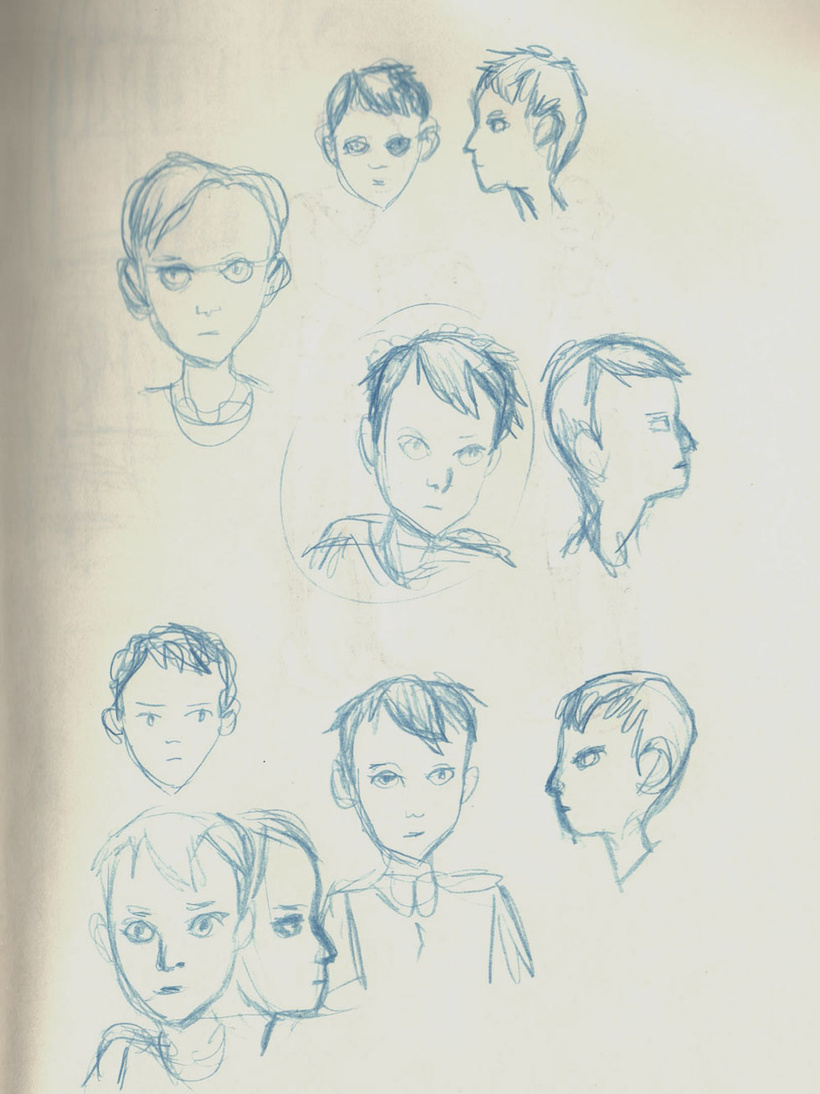
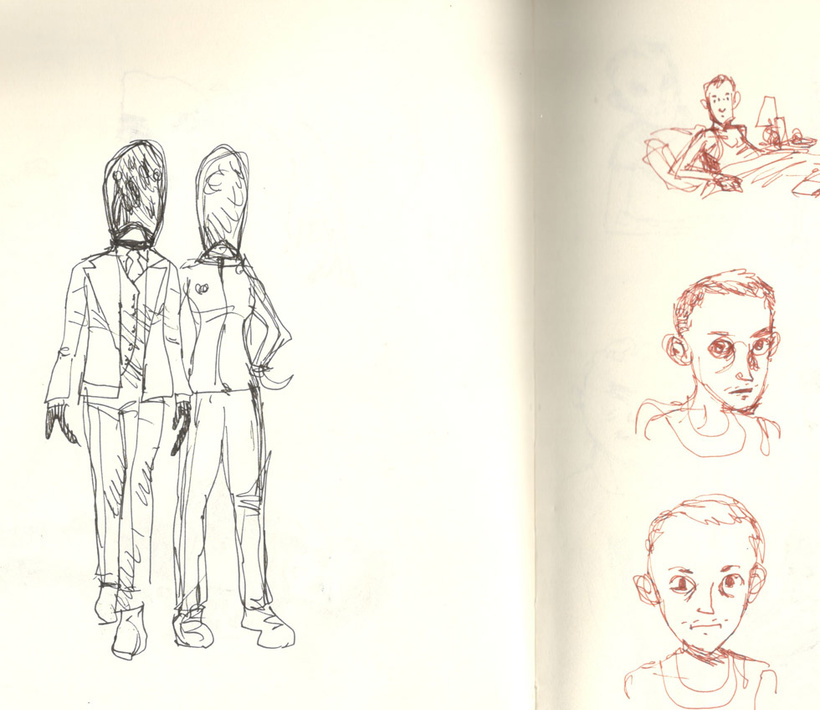
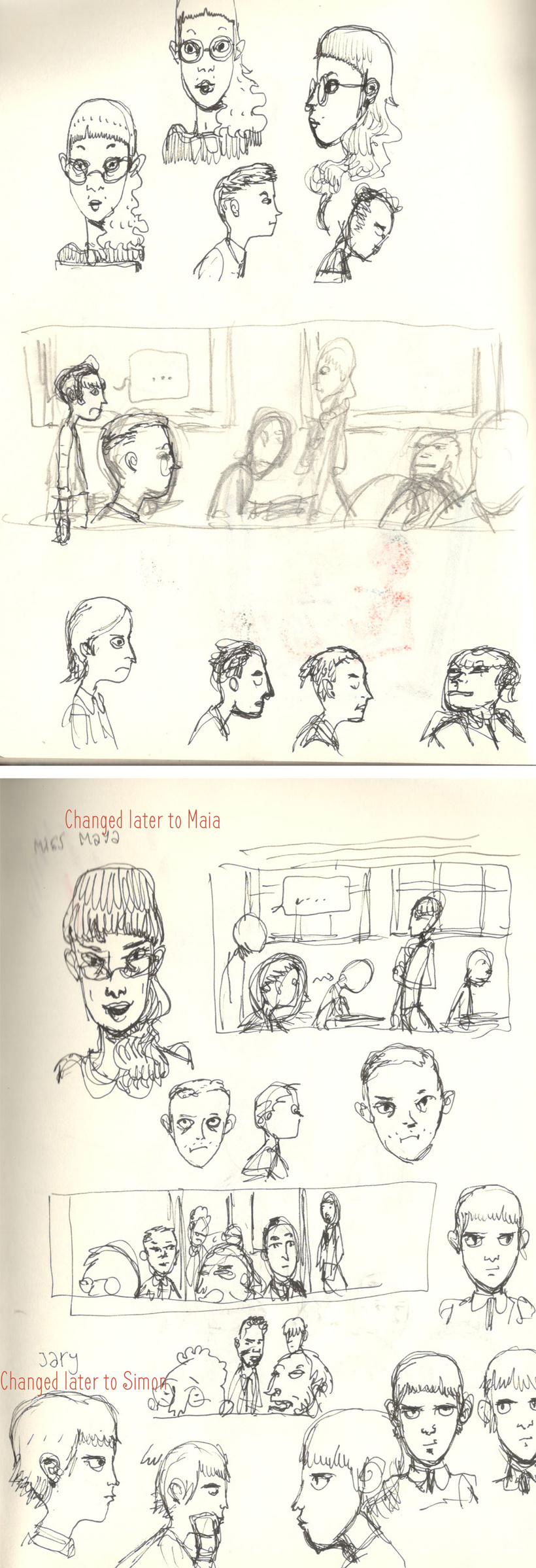
 Some early sketches: 

3. Head Canon

(I’m not sure this is is proper head canon, since some of it is actually background lore for the series and may show up in-story later)

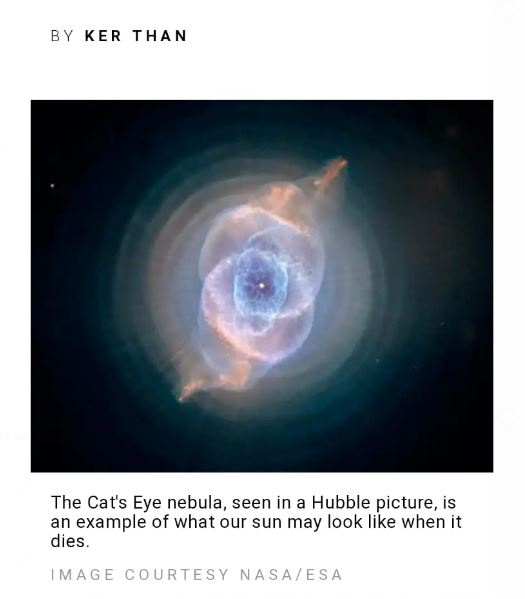
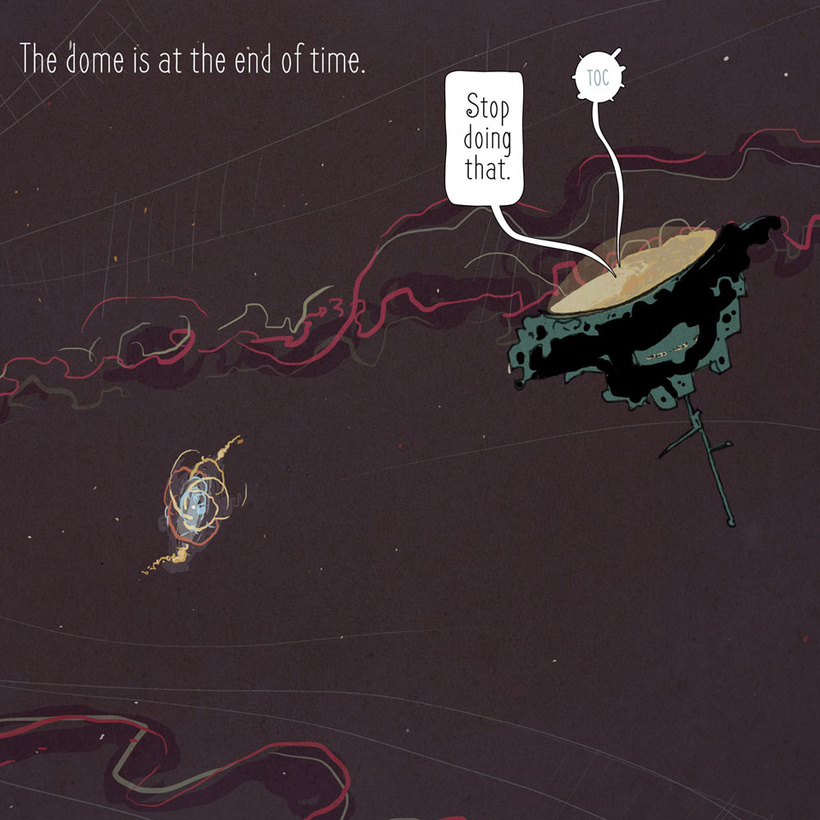
  • The model of universe collapse used in the story is one of “expansion and ripping away of the cosmos”. Red stars and supernovas should be a common sight for the dome operators, as well as huge cosmic gas trails crossing space, from the rests of collapsed celestial bodies.

  • The Dendrils, as earth humans called them, are hyper intelligent artificial life forms that made contact with humanity at the beginnings of XX century. That first contact influenced the architecture and fashion of the school, even though the institution eventually gained access to most places and eras of this universe. Their bodies resemble anthropomorphic plants, at least when they decide to mold their shapes in a sympathetic way to humans. They take most occupations in the dome, from clerks to pilots of the dome itself. The only role they don’t take is teaching. They have an alien concept of individuality, closer to a group mentality, and don’t communicate through sound. We will see their social ways in the next episode.

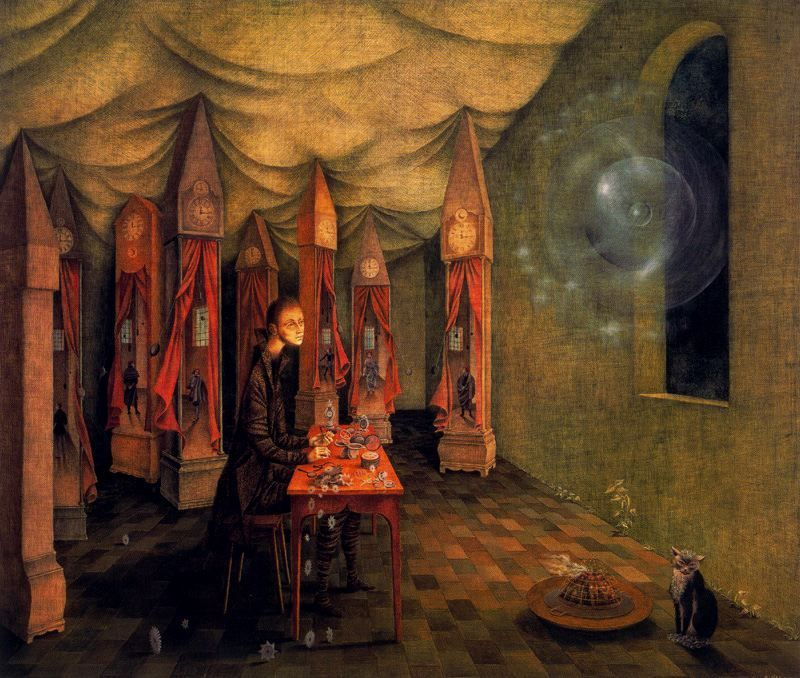
  • The space-time displacement technology shown to humans by the Dendrils is featured stealthily in several human art and architecture works, maybe by creators who were part of one of the out-of-time schools. For instance, the specific principles of time travel used by the Dendrils are depicted metaphorically in this 1955 painting by Remedios Varo called “Revelation (The Watch)”


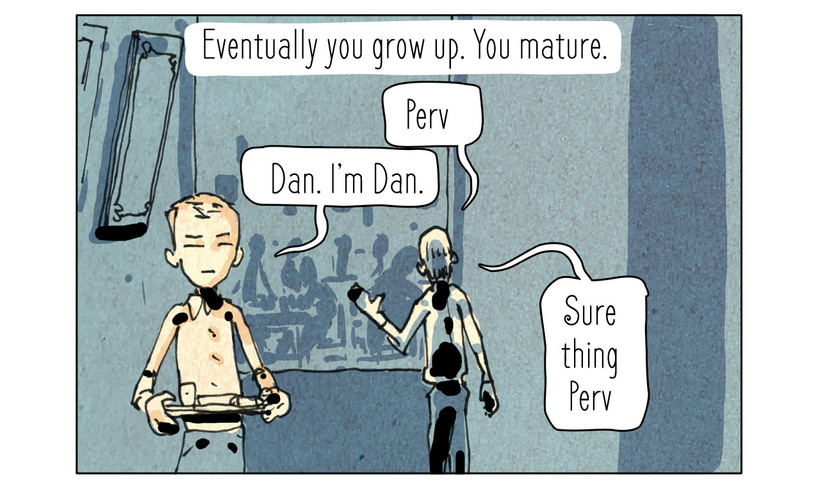
  • Plant computing is the main digital technology in the dome. Plant computers grow, reproduce and “die” like the plants we know. Humans and other species interact with them by a mixture of hand gestures and hormonal reactions to which they are sensitive. It also allows some forms of psychic projection, as we see with the “porn glyphs” and the sneaky message Dan gets in the comic.

  • There are other institutions alike in space. Some are for girls only and some don’t have a gender restriction, or have a different set of limitations. They don’t necessarily look like the one in the comic: one may be a swanky 60’s inspired aseptic-white complex, while other may be built as a medieval scriptorium and embrace monastic routines.

  • There are also several non-human species among the students, while some phenotypic traits such as Simon’s yellow eyes come from branched human space exploration.

That’s it for this dossier, I hope you have enjoyed this look behind the curtain! I appreciate any input or suggestions about what is discussed here.

I’ll see you soon with: a new short Secret Knots story called “Survivors”.  All this work gets done thanks to your generous support. Have a great weekend and feel free to comment, and recommend the comic to kindred spirits.

Juan.